
The French braid is the hairstyle that taught the world to plait: three strands, gathered gradually, hugging the head in a woven ridge that works as hard as it charms. It survives gyms, weddings, school runs and red carpets because it is engineering as much as beauty — hair secured by its own structure, no heat, no damage, endless variations.
This list collects 42 French braid hairstyles: the classics (single, double, crown), the finishes (buns, ponytails, updos), by hair type and length, and the dressed-up versions for weddings and parties. Screenshot your favourites; start here.
1. Classic French Braid

The classic French braid — one plait from crown to nape, gathering hair as it descends — is the blueprint: neat, secure, timeless. It suits medium-to-long hair of every texture and has been the default ‘hair, handled’ style for centuries.
Tension is the classic’s craft: even, firm, consistent. This braid is the family’s founding document.
2. Double French Braids

Double French braids split the style in two: symmetrical plaits from hairline to ends — sporty, youthful, and doubly secure. Doubles suit thick hair (dividing its bulk) and every athletic plan ever made.
Symmetry is the doubles’ challenge and charm. This is the classic, stereo.
3. French Braid Ponytail
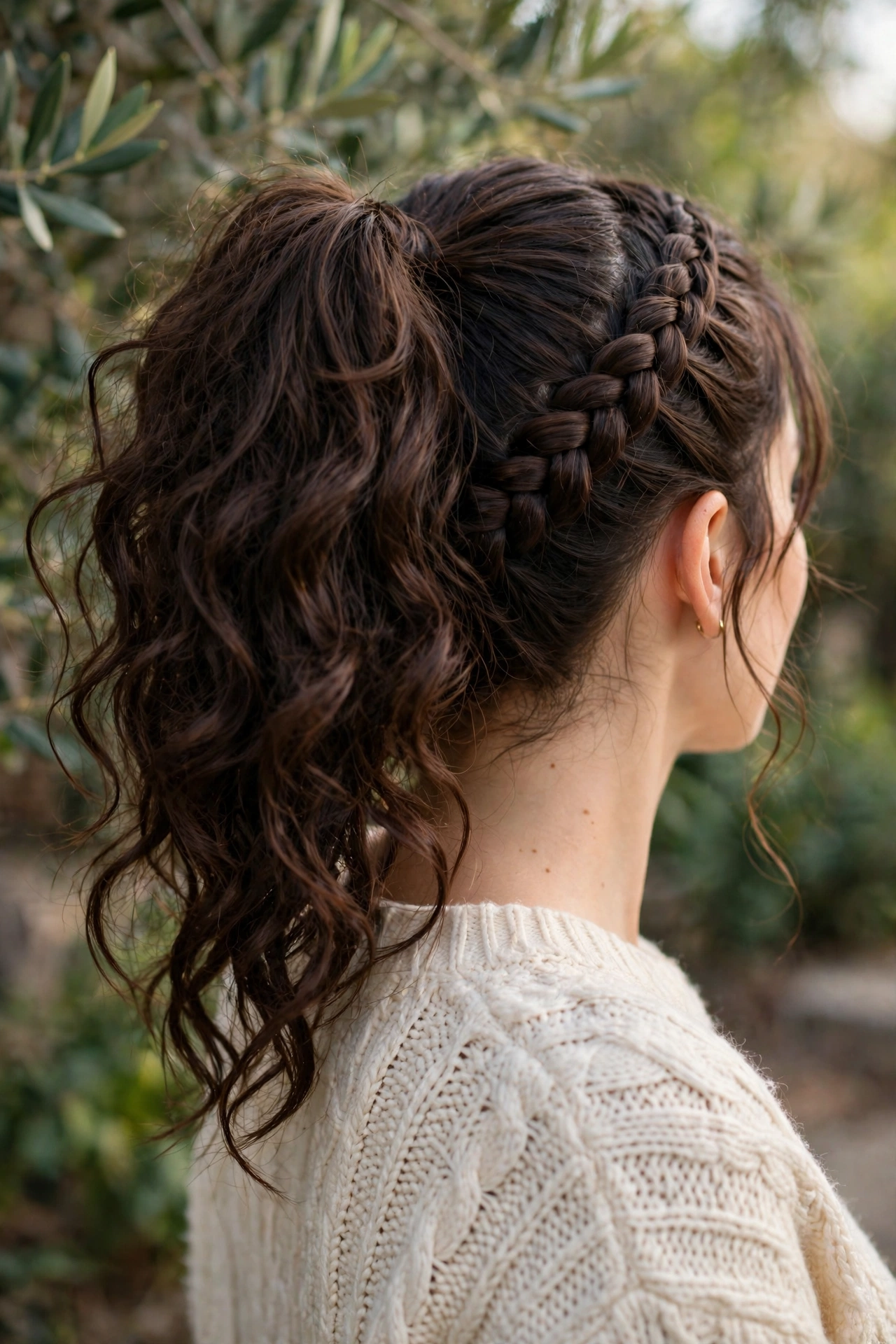
A French braid that releases into a ponytail combines structure with swing: the woven top secures the front, the tail moves freely. It suits the gym-to-evening transition better than any style here.
Secure the braid’s end where the ponytail begins. This hybrid is two hairstyles’ best features.
4. French Braid Bun
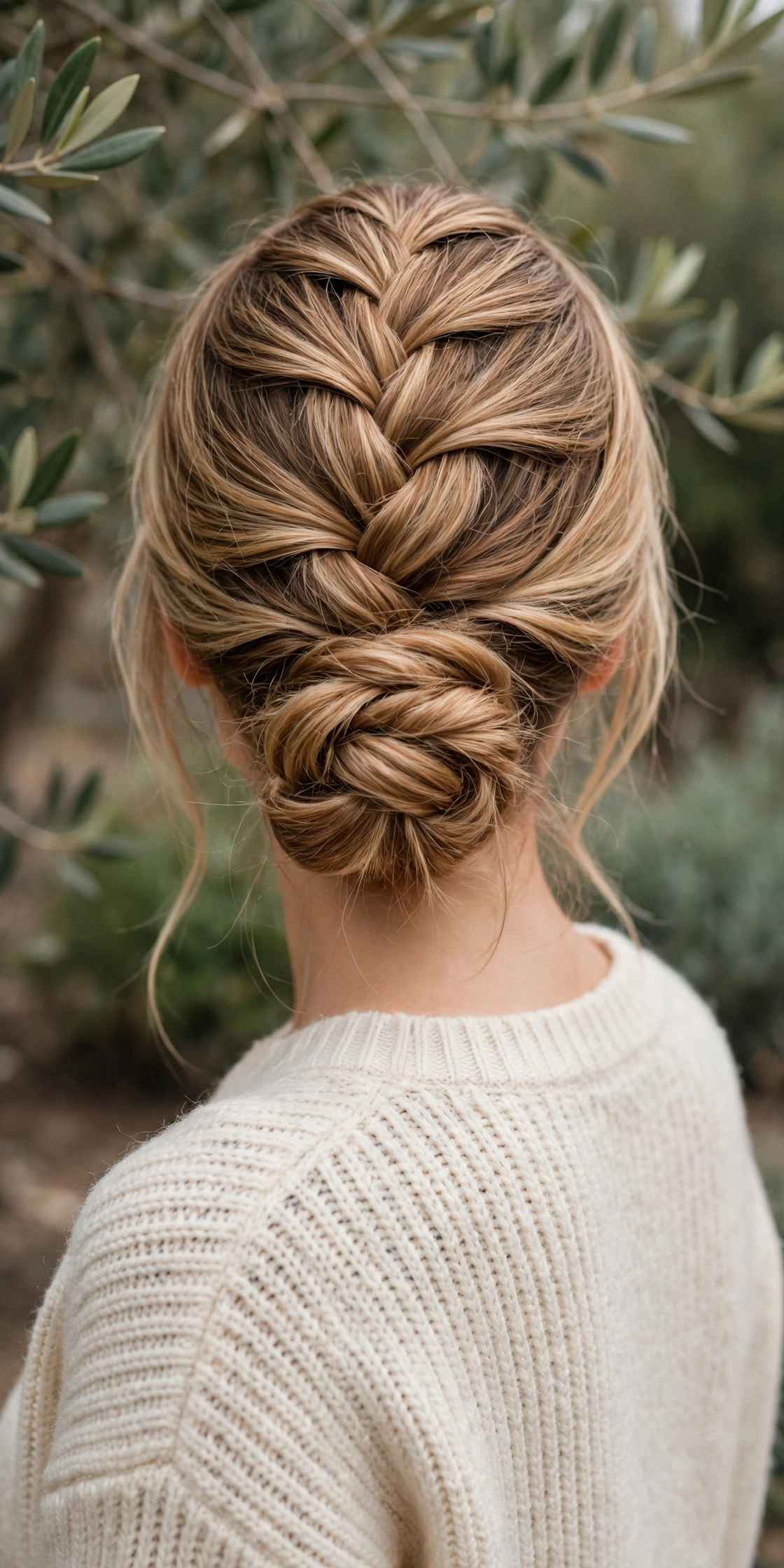
The French braid bun plaits the hair then coils the length into a bun: woven detail meeting formal structure. It suits weddings, ballet-adjacent occasions, and hair that must stay perfect for hours.
The braid does the bun’s grip work. This updo survives dancing.
5. Side French Braid
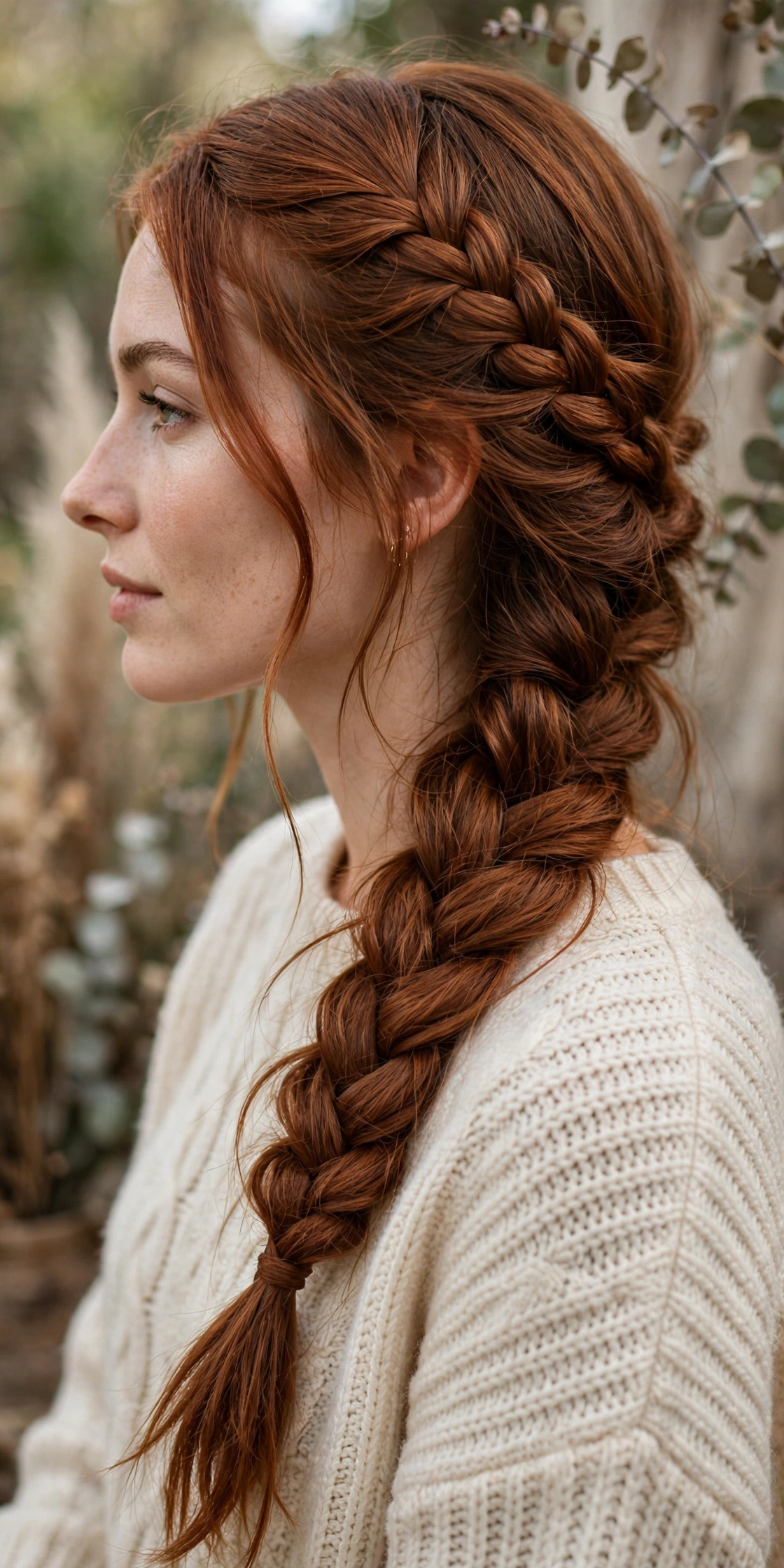
The side French braid sweeps the plait diagonally or along one side: asymmetric, romantic, and the gateway to a hundred boho variations. Side braids suit long hair and soft styling.
The diagonal softens the braid’s formality. This is the classic, leaning into romance.
6. French Fishtail Braid
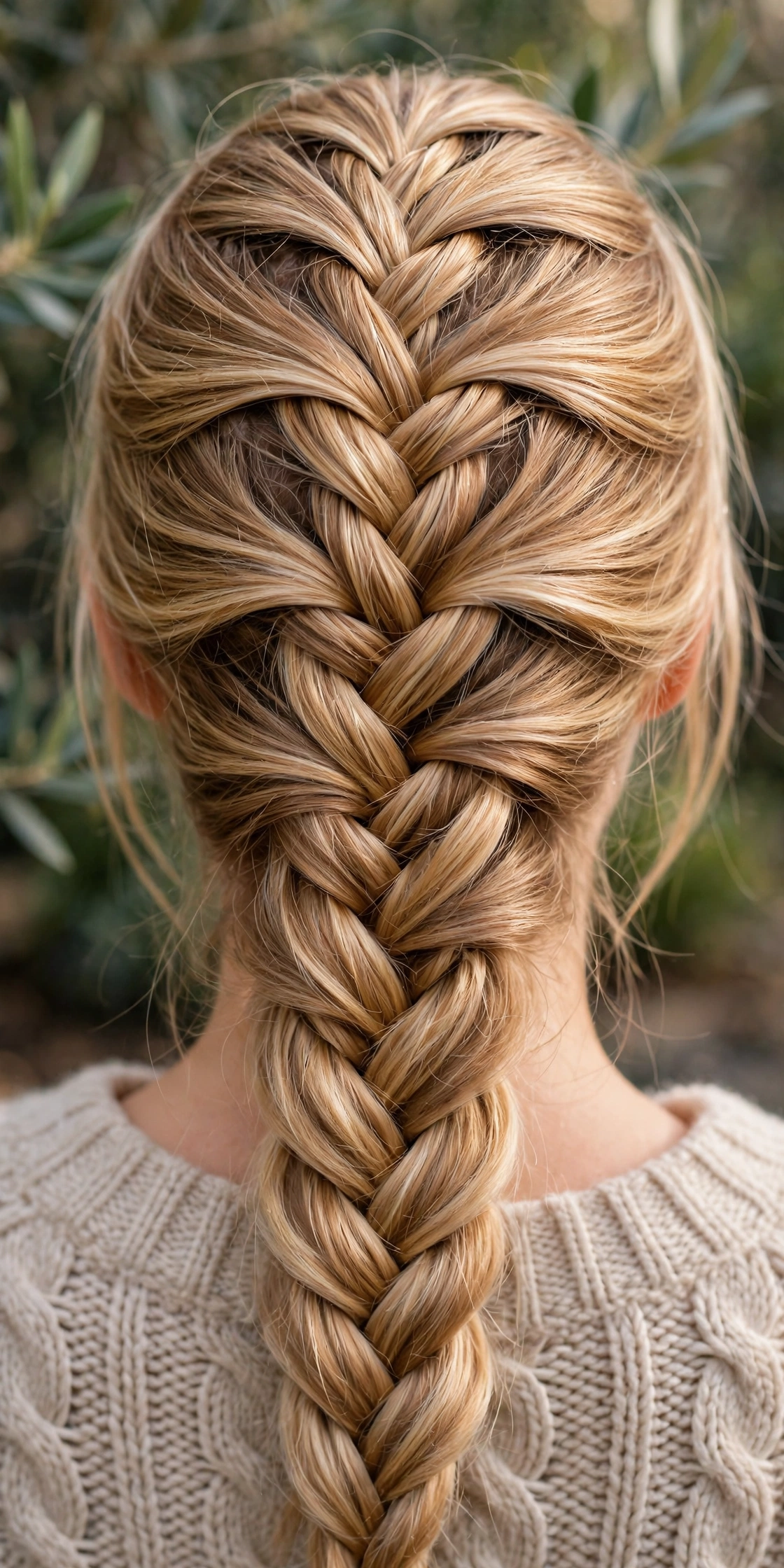
The French fishtail gathers like a French braid but weaves like a fishtail: intricate, herringbone-textured, the most admired plait in this list. It takes longer and photographs like jewellery.
Small sections make fine fishtails. This braid is the family’s masterpiece.
7. French Dutch Braid
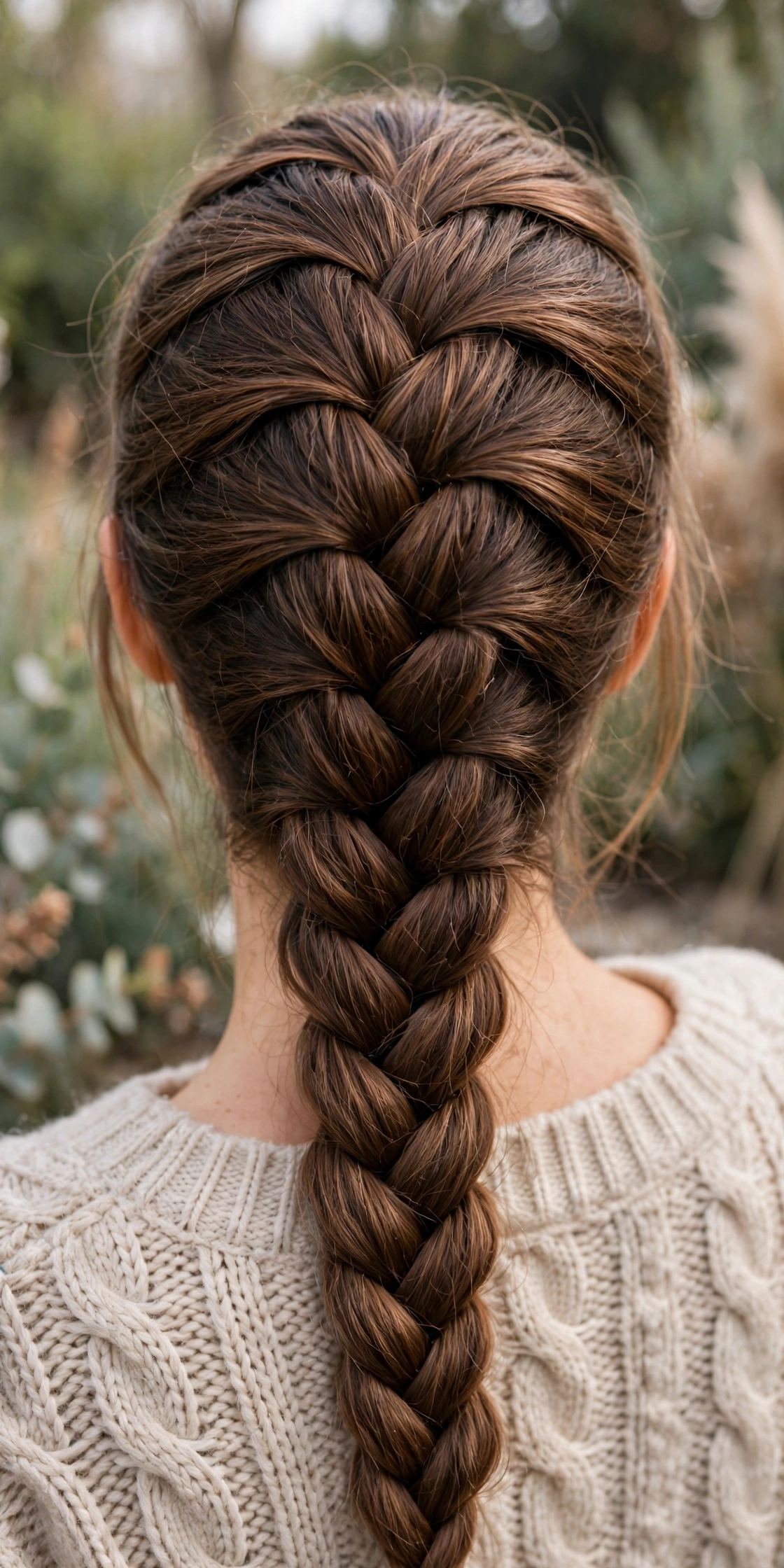
The Dutch braid is the French braid inverted — strands crossed under instead of over — so the plait sits raised on the head like a woven ridge: bolder, more visible, the ‘inside-out’ braid of festival fame. Dutch braids suit thick hair and statement styling.
Under, not over: one word changes everything. This is the French braid in 3D.
8. French Braid Crown
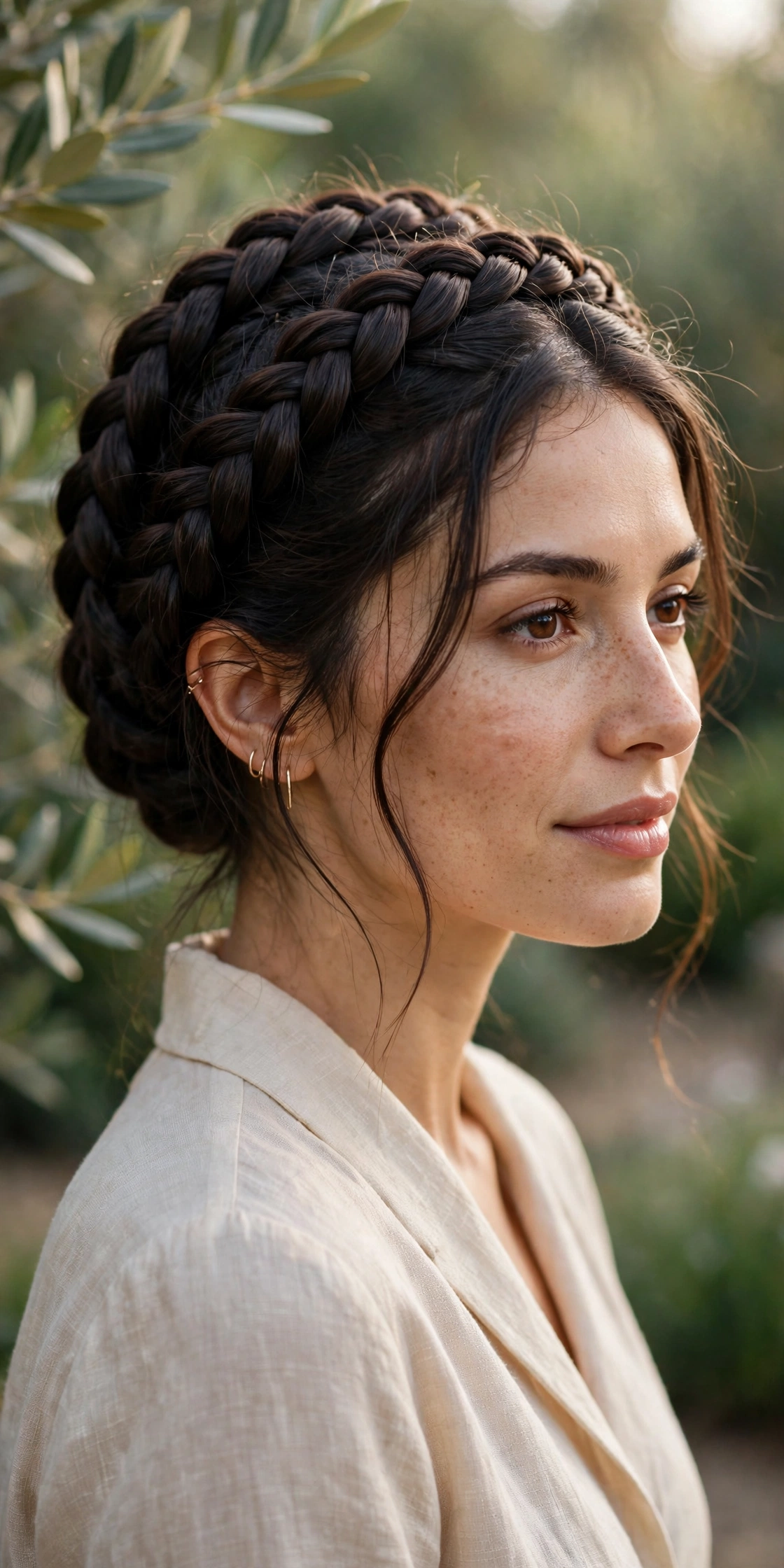
The crown braid circles the head like a halo: a French braid that travels the hairline and returns — romantic, formal, and surprisingly secure. Crowns suit weddings, festivals, and faces that love an updo’s lift.
The crown is braided in one continuous journey. This is the halo, handmade.
9. French Braid Updo
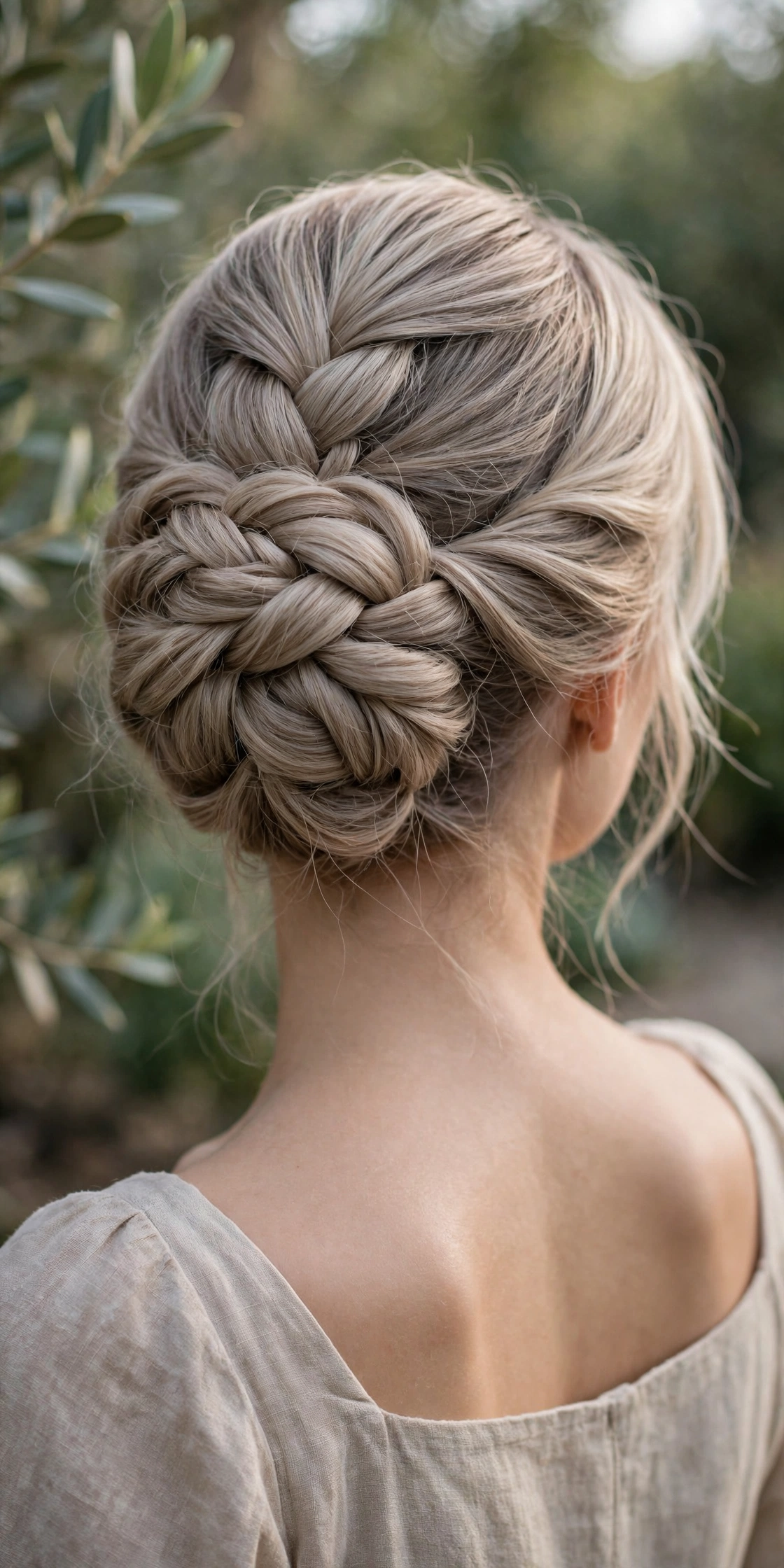
French braid updos gather plaits into pinned arrangements: buns, chignons, and coils with woven detail throughout. They are the formal family’s summit — structure, texture, and hours of hold.
Pins hide inside the braid’s own grip. This updo is engineering in evening dress.
10. French Braid into Low Bun
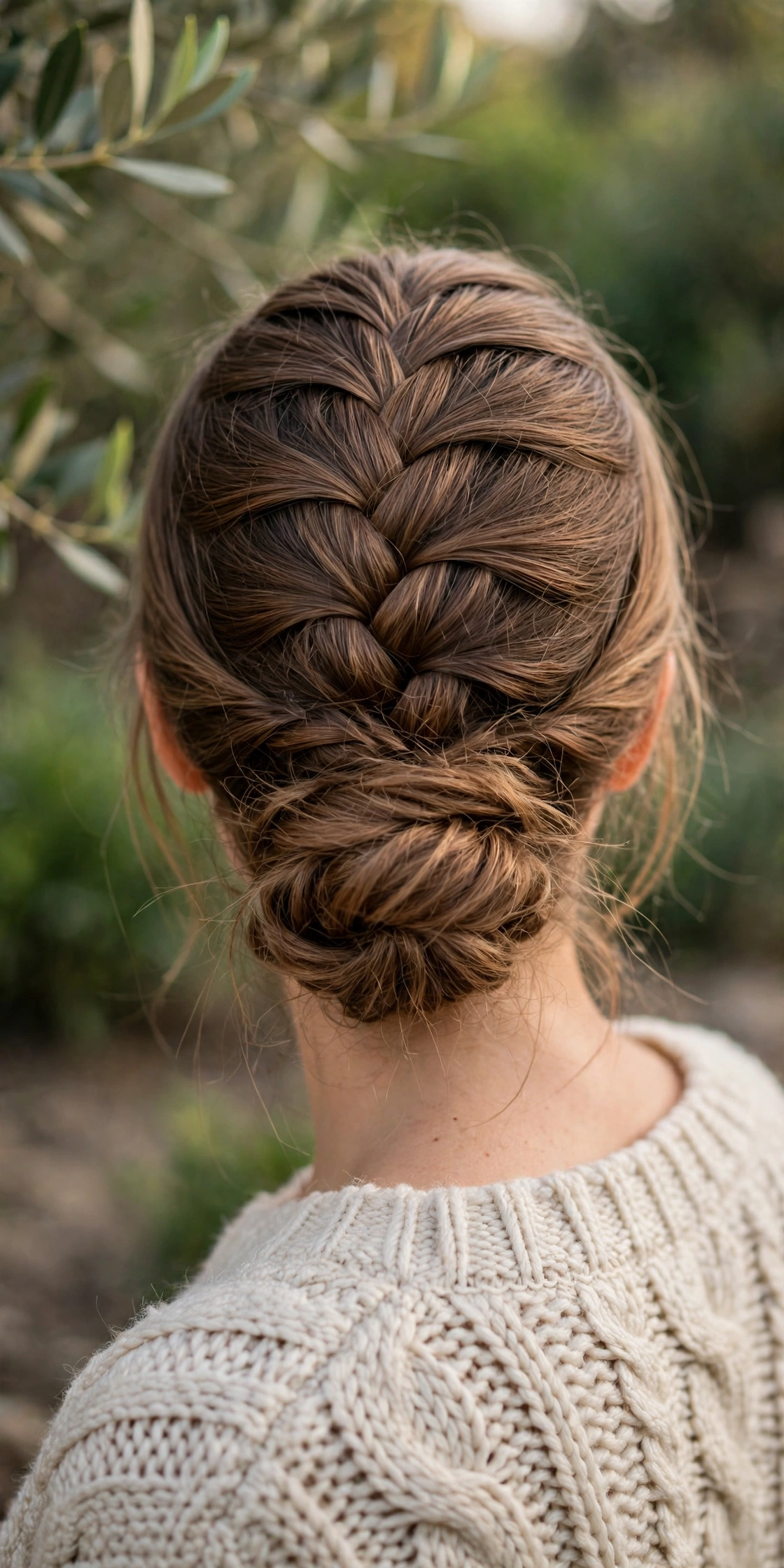
Braiding into a low bun — plait from the crown, coil at the nape — is the elegant everyday updo: woven interest above, calm knot below. It suits offices, dinners, and hair that misbehaves loose.
The low bun is the braid’s most graceful landing. This style is a workday’s quiet luxury.
11. Half-Up French Braid

The half-up French braid plaits only the top or sides, releasing the rest: structure where the face is, freedom below. It is the most wearable braid here for medium hair and the undecided.
Half-up braids frame faces beautifully. This is the classic with its hair down, partially.
12. French Braid with Curls
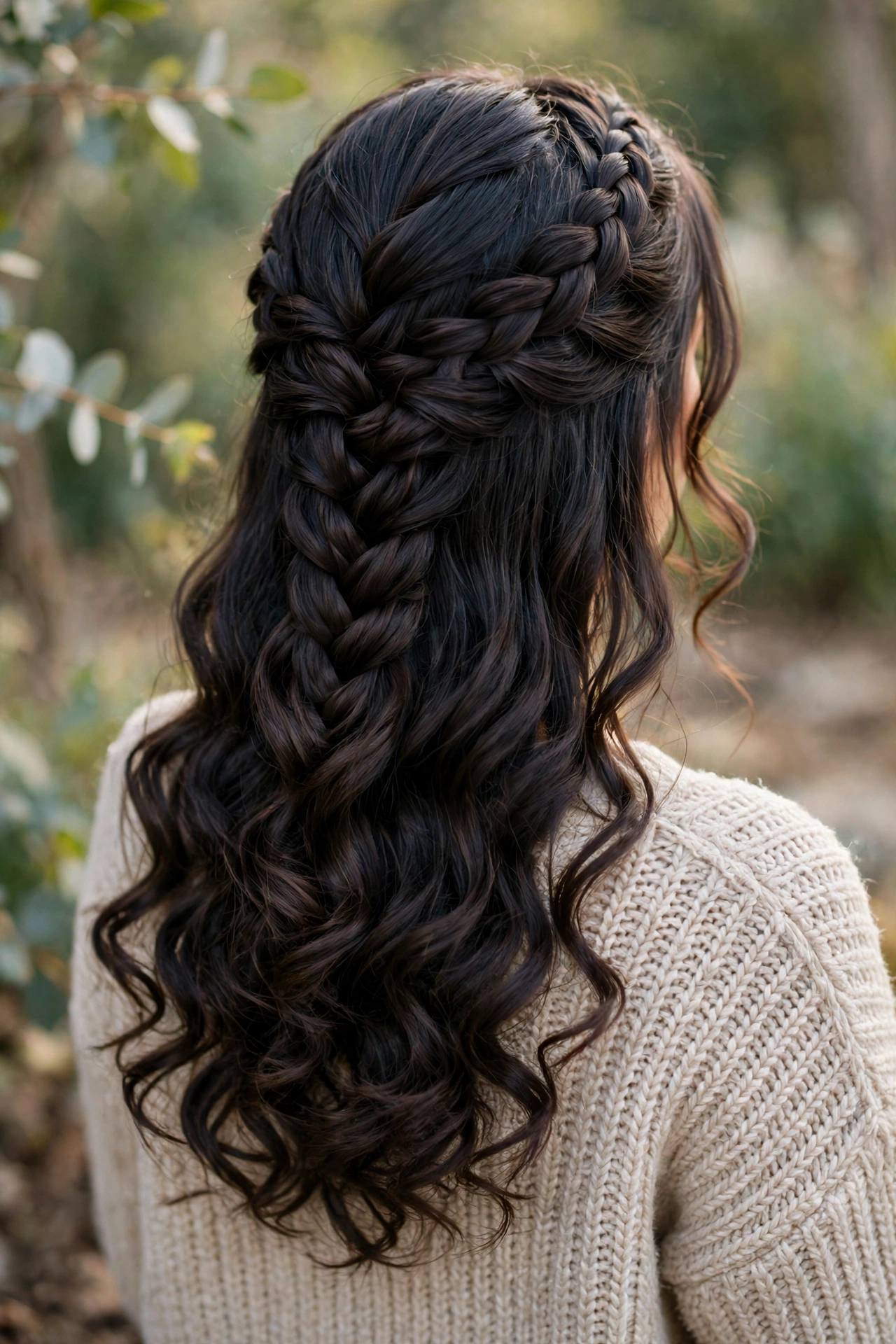
Braiding the top and releasing curls below (or braiding curly hair itself) mixes woven order with curly abundance: the braid tames the front, the curls celebrate behind. Curly French braids need gentle tension — curls compress.
Braid curls dry and detangled, never wet-stretched. This pairing is control meets celebration.
13. French Braid with Waves
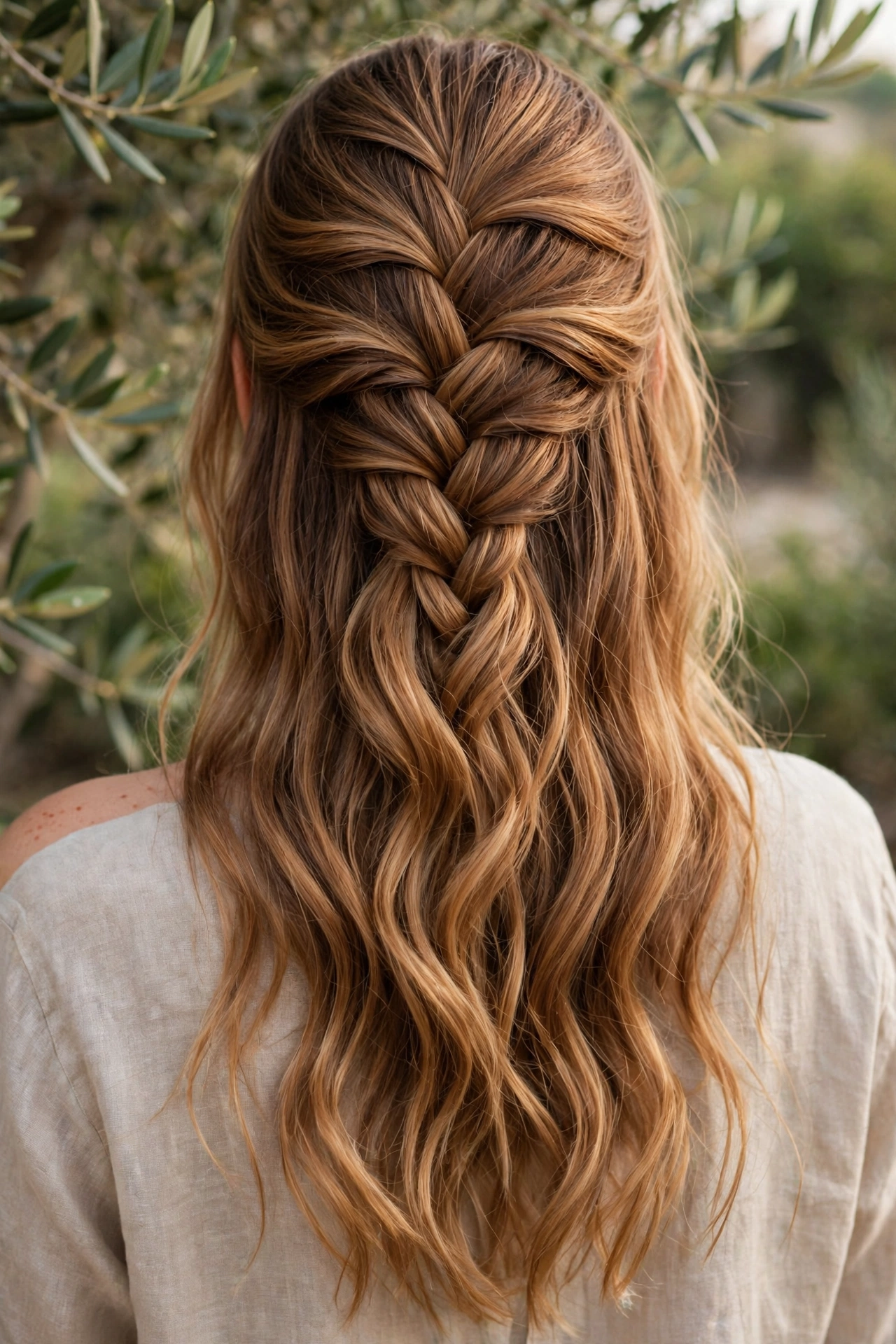
Wavy hair is the French braid’s favourite texture: the wave grips the plait, softens its lines, and makes every variation look romantic. Most photographed French braids are wavy for a reason.
Second-day waves braid best. This is the texture the braid was dreaming of.
14. French Braid for Long Hair

Long hair gives the French braid its full canvas: a plait that travels the whole back, thick and dramatic. Long-hair braids showcase the technique’s rhythm like nothing else.
Long braids swing; secure the end well. This is the classic at full length, literally.
15. French Braid for Short Hair
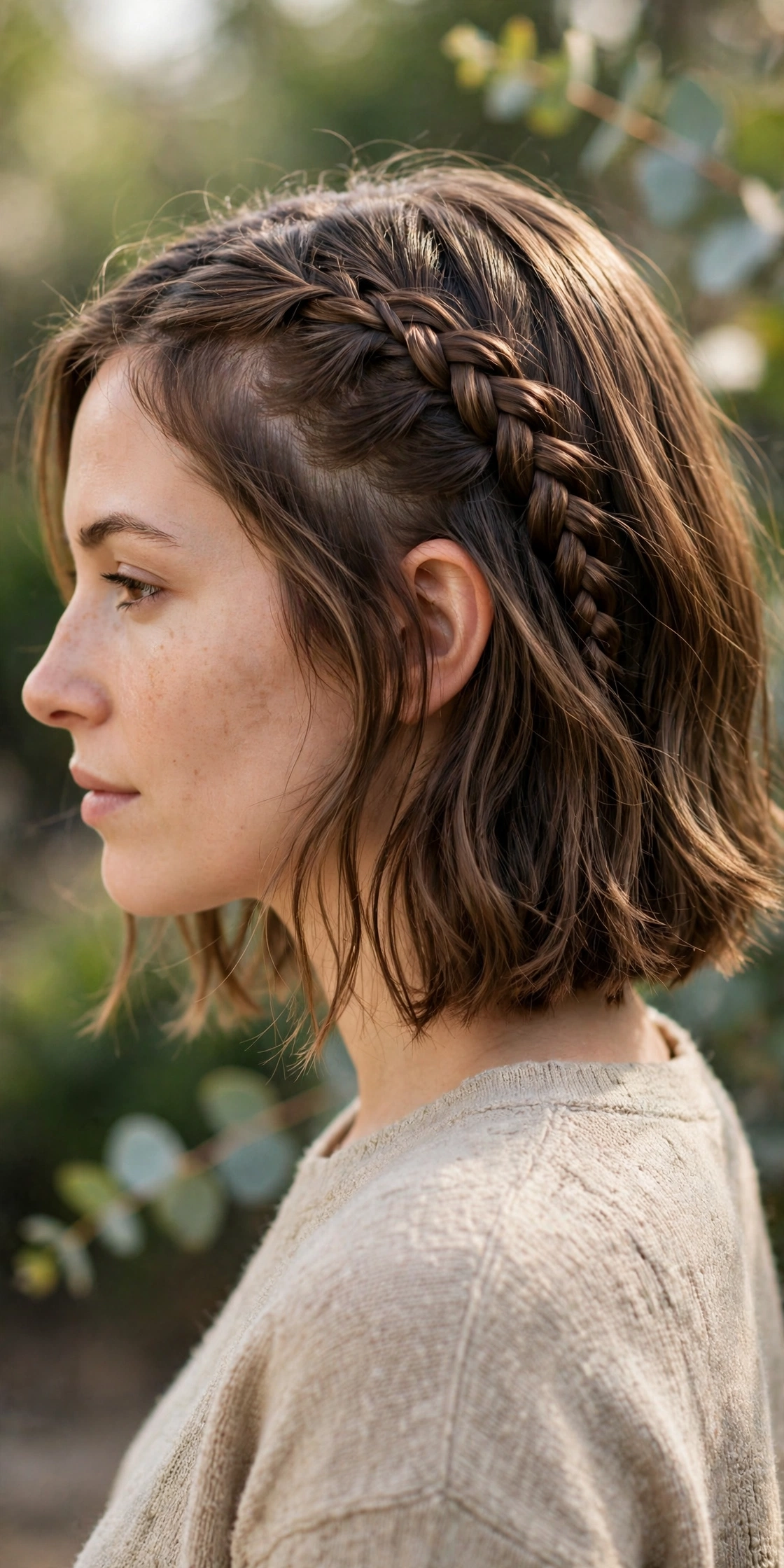
Short hair (bob-length and above) wears French braids along the hairline and sides: mini plaits that secure fringes and add detail without needing length. Short-hair braids are detail work, and they shine at it.
Small sections, firm grip: the short braid’s rules. This is the classic, concentrated.
16. French Braid for Medium Hair

Medium hair is the French braid’s sweet spot: long enough for full plaits, light enough to hold them comfortably all day. Most of this list was photographed on medium hair.
Medium braids hold without pins’ help. This is the braid’s home length.
17. French Braid for Thick Hair
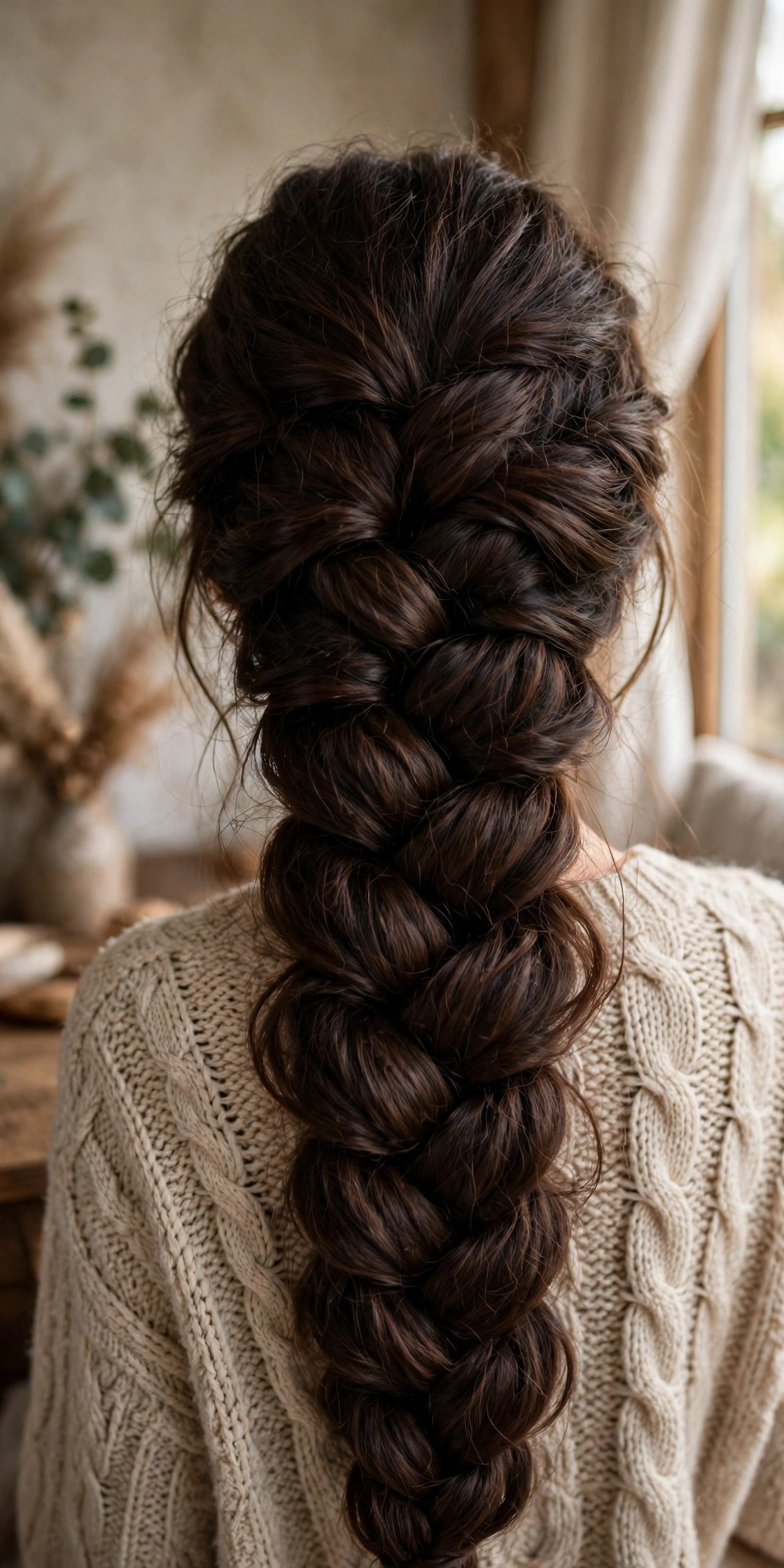
Thick hair makes French braids spectacular: plaits with real volume, ridges with presence. Thick hair’s challenge is bulk management — larger sections and firm tension turn its abundance into the braid’s advantage.
Thick braids are the family’s showpieces. This hair was born to be woven.
18. French Braid for Thin Hair
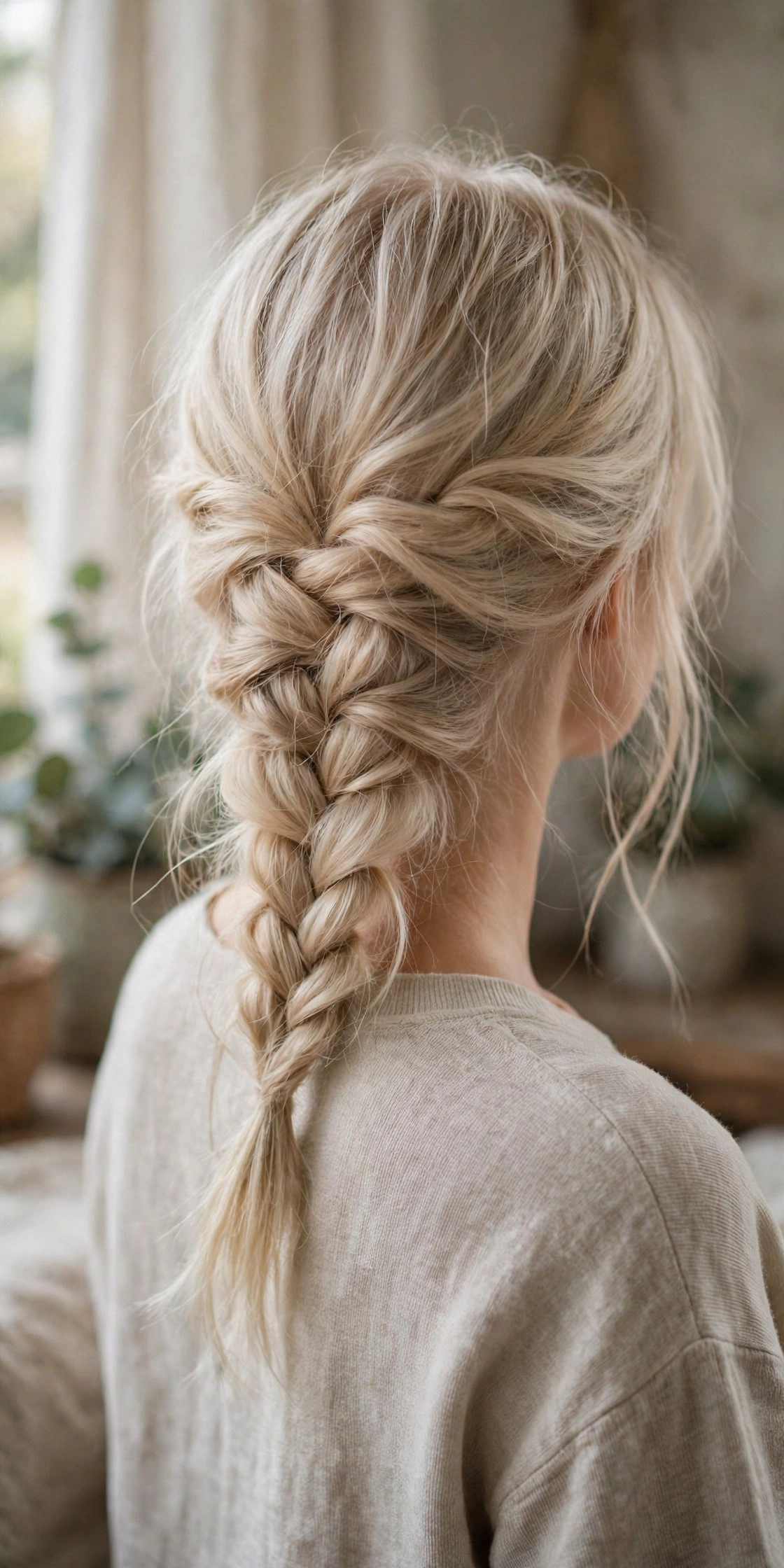
Thin hair braids need strategy: pancaking (gently pulling the plait’s edges wider) fakes volume, and texture spray gives grip thin hair lacks. Loose tension protects fine strands.
Pancake after braiding, never during. Thin braids done right look doubled.
19. French Braid for Curly Hair

Curly hair French braids are texture on texture: the plait’s pattern woven through the curl’s — stunning, and best braided with patience, moisture, and respect for shrinkage. Curly braids hold superbly once in.
Detangle in sections as you gather. This braid is the curl’s architecture.
20. French Braid for Straight Hair
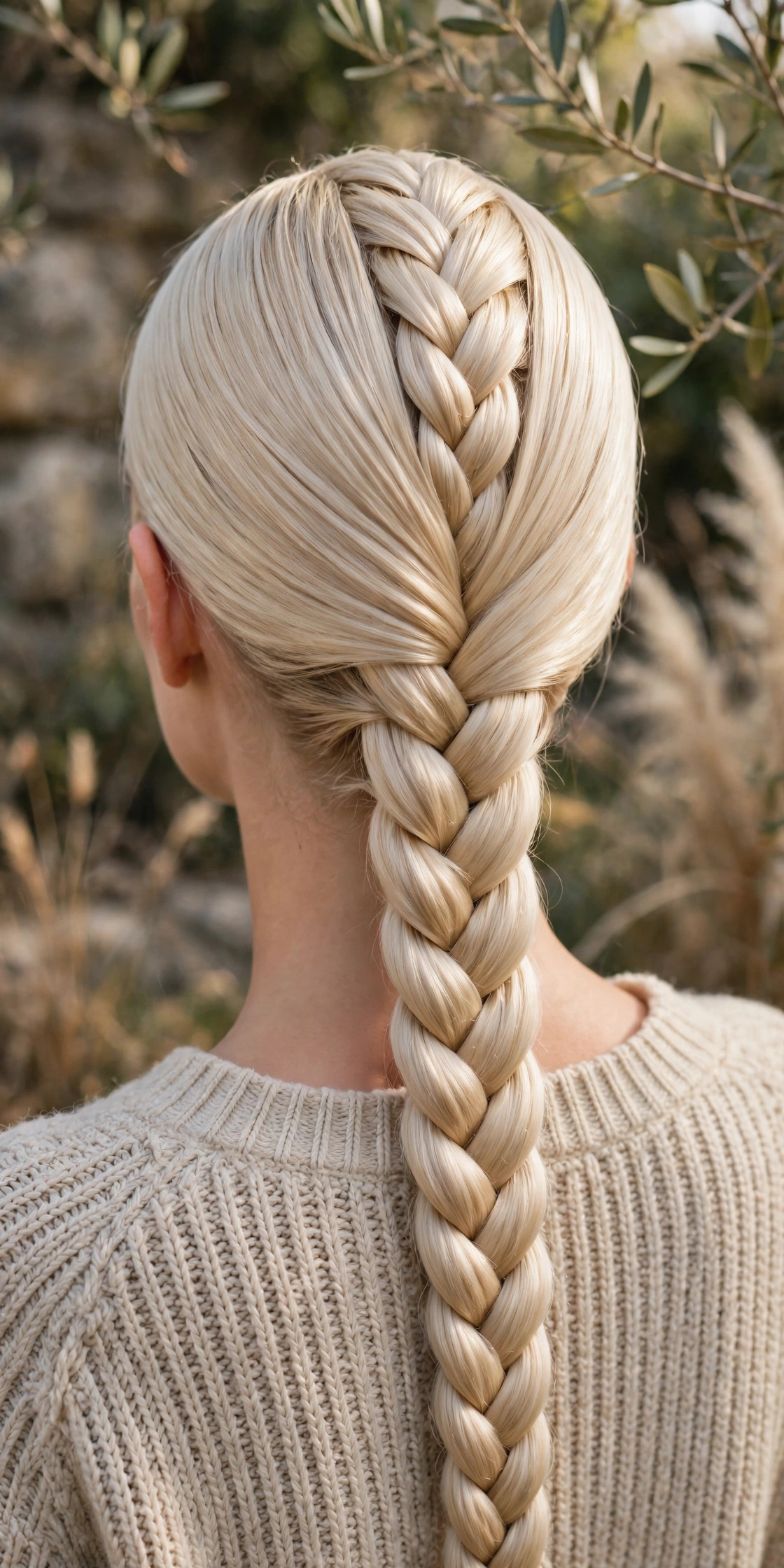
Straight hair shows the French braid’s geometry most honestly: every crossing visible, the pattern crisp. Straight hair is slippery, though — texture spray or day-old hair gives the grip the plait needs.
Grip is straight hair’s braid homework. This is the pattern at its clearest.
21. Messy French Braid
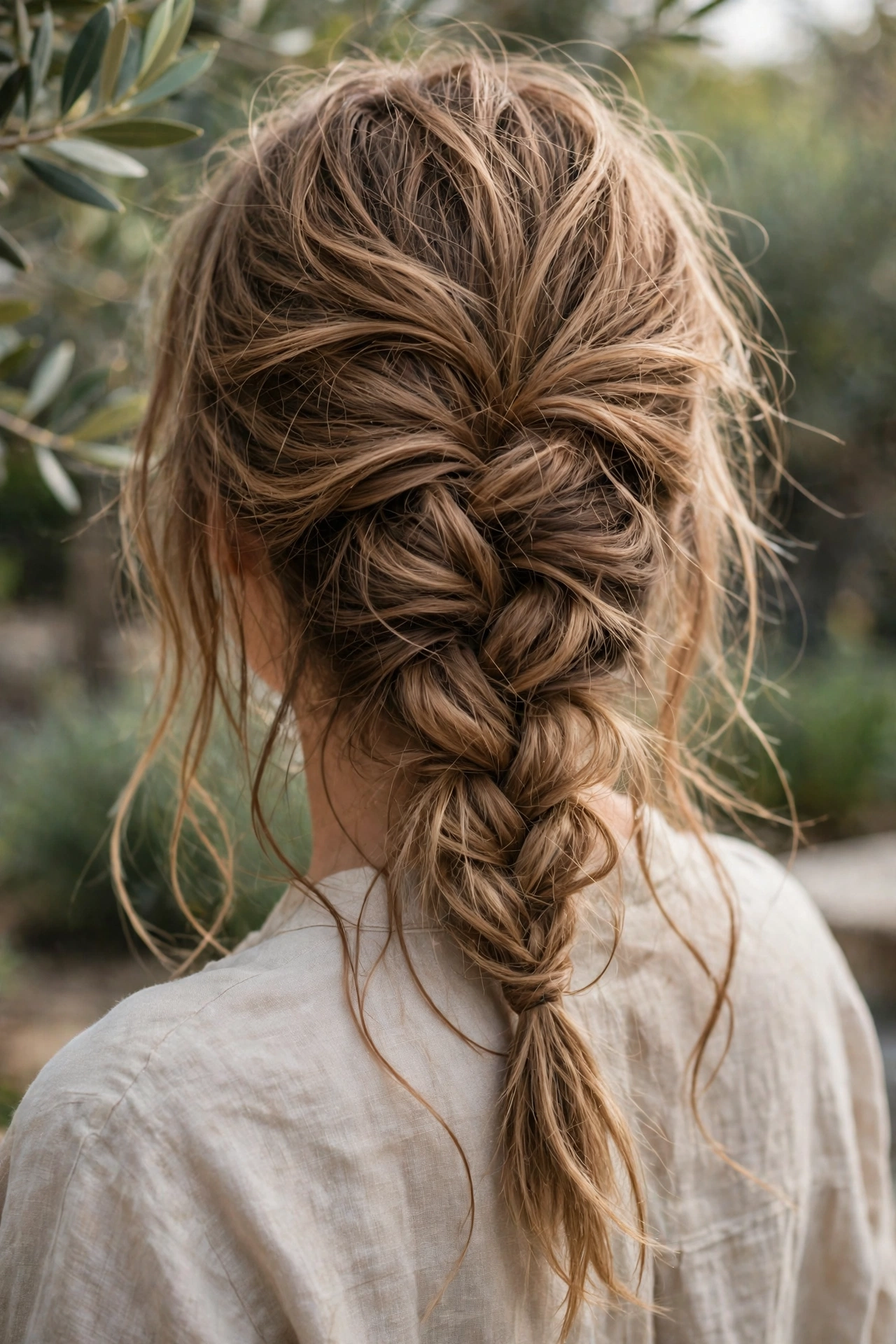
The messy French braid loosens everything: soft tension, pulled-out pieces, face-framing strands released — the boho, romantic edit of the classic. Messy braids suit wavy hair and soft occasions.
Messy is a finish, applied after braiding neatly. This is the classic in a sundress.
22. Sleek French Braid
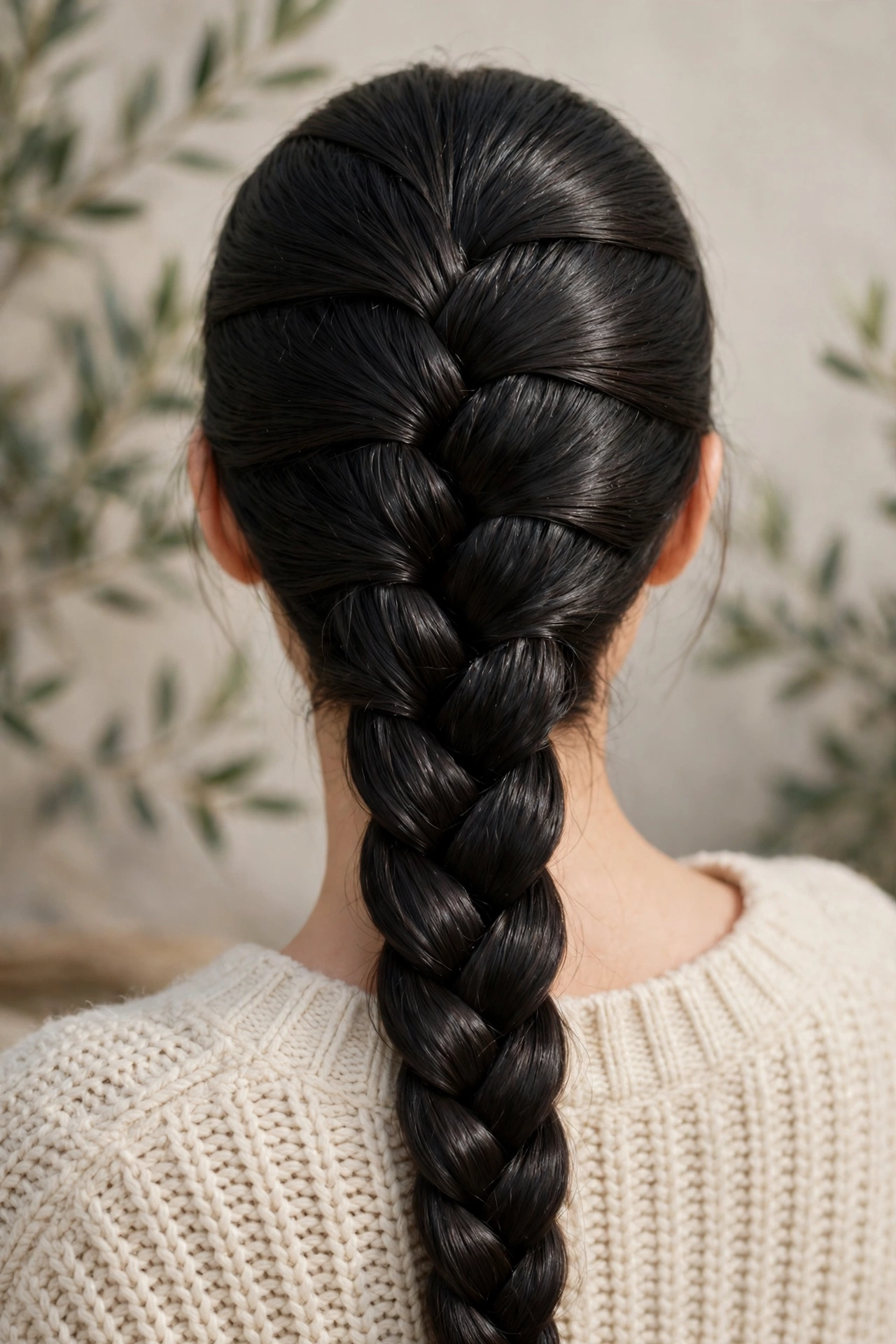
The sleek French braid is the opposite finish: tight, smooth, gel-finished — the plait as sculpture, with every flyaway disciplined. Sleek braids suit formal occasions, dance, and editorial styling.
Sleek is tension plus product plus patience. This braid is the family’s black-tie version.
23. Loose French Braid
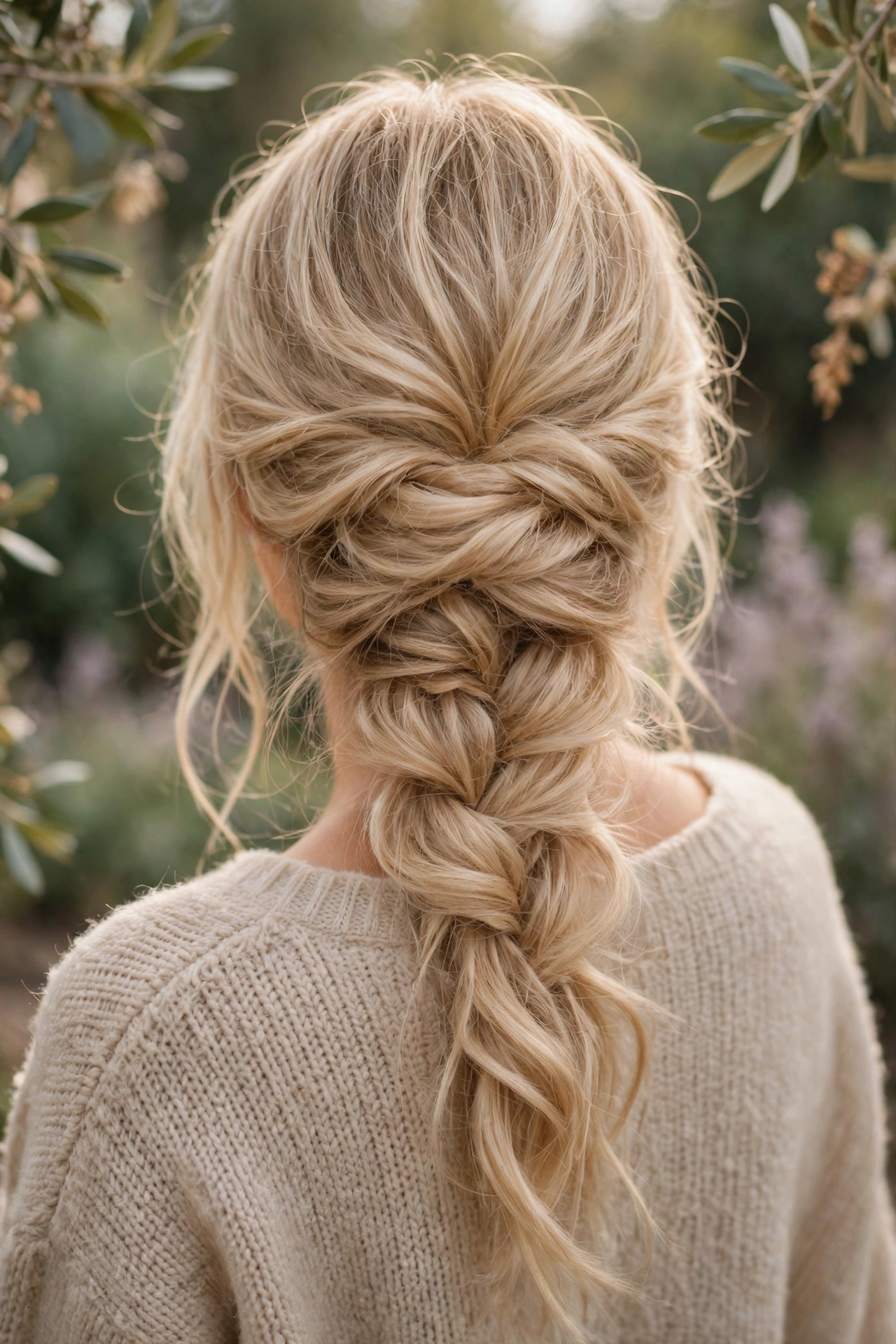
The loose French braid uses gentle tension throughout: a soft, wide, romantic plait that reads effortless (and suits thin hair’s volume needs). Loose braids are less secure — pin the end and embrace the softness.
Loose braids age beautifully through a day. This is the classic, exhaling.
24. Classic Tight French Braid
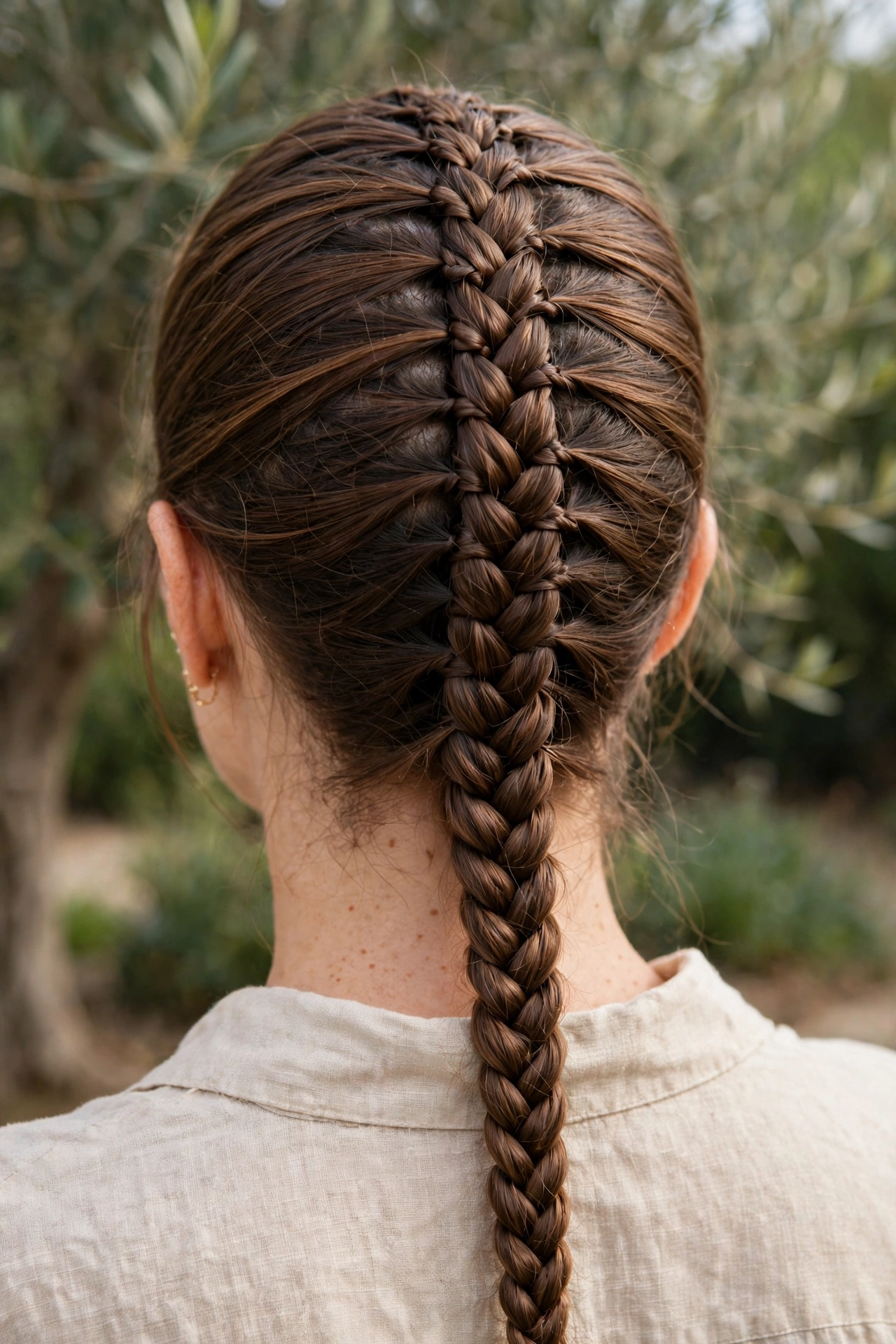
The tight French braid is the sport-and-duty version: firm tension, maximum hold, the plait that survives marathons, shifts, and swimming. Tight braiding must respect the scalp — firm, never painful.
Tight is a tool, used when hold matters most. This braid is the family’s workhorse.
25. French Braid with Bangs
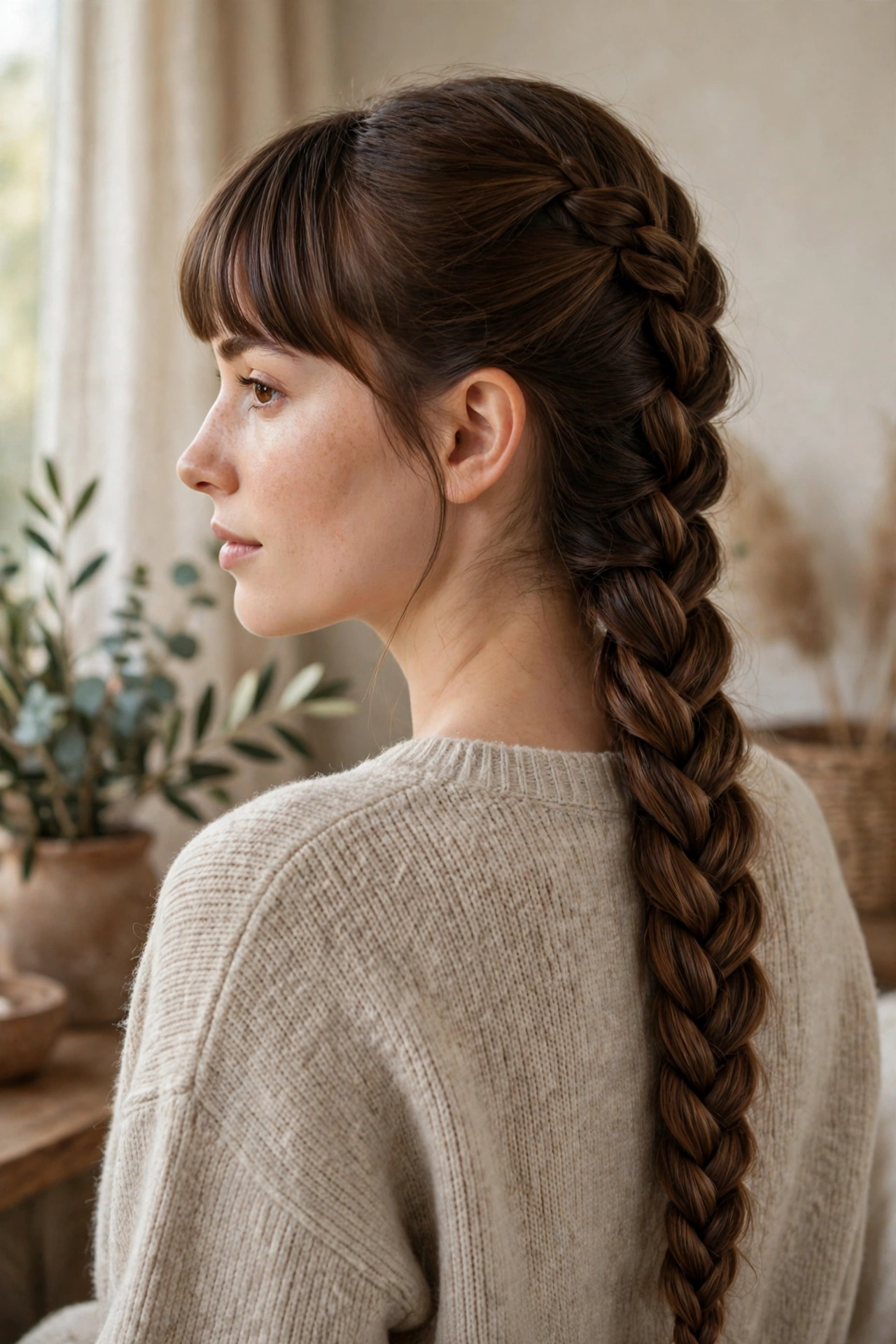
Bangs with a French braid keep the fringe out of the plait: soft front, woven back — the style that lets fringe-wearers braid without growing anything out. Curtain and straight bangs both partner well.
The fringe frames; the braid secures. This pairing solves the bangs-owner’s braid problem.
26. French Braid with Curtain Bangs
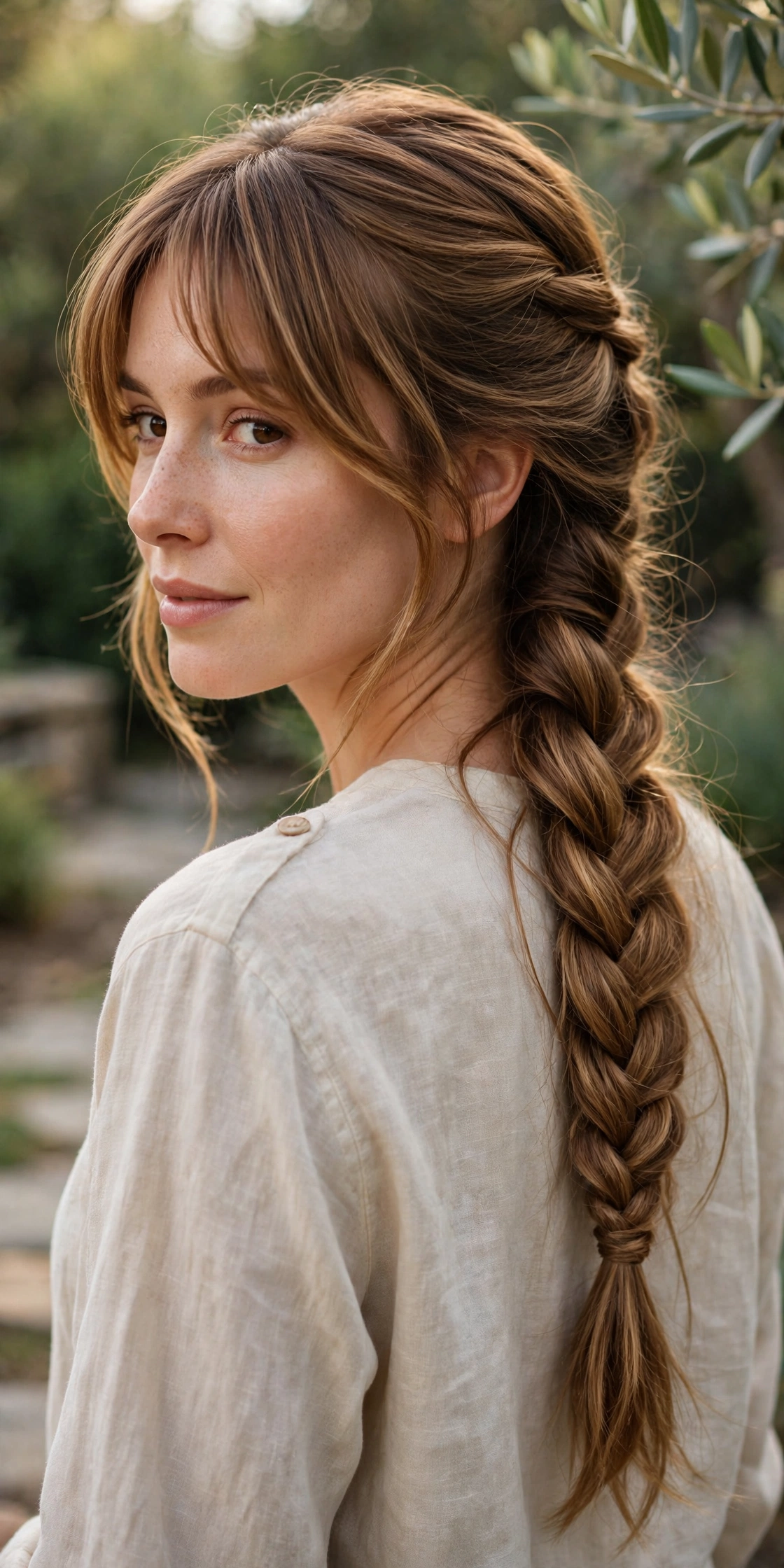
Curtain bangs plus a French braid is the current social-media favourite: the face-framing front in soft curtains, the length woven behind — romantic, modern, endlessly photographed.
Curtain bangs soften the braid’s severity. This is the classic’s most flattering frame.
27. Diagonal French Braid
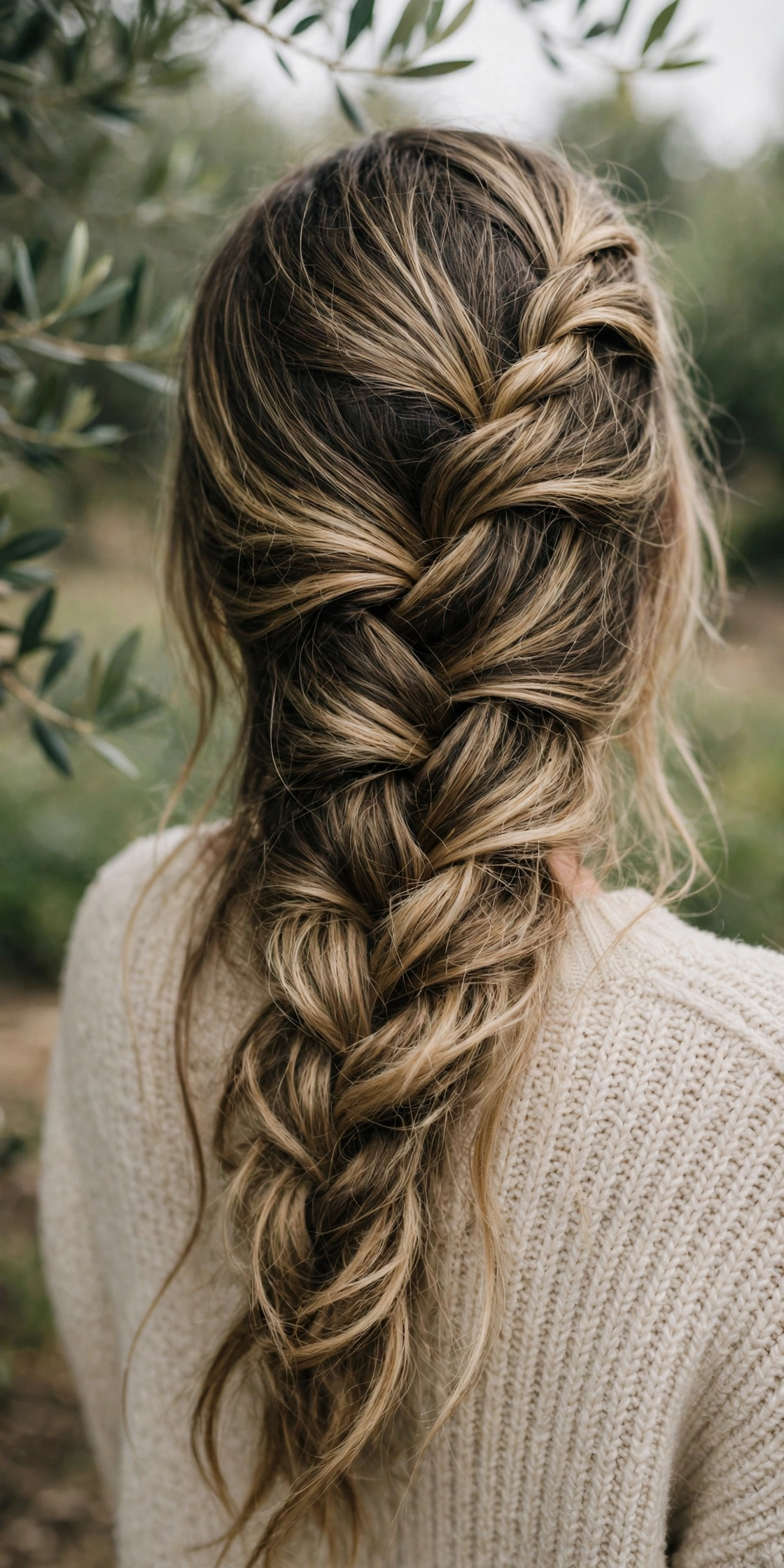
The diagonal braid travels corner to corner: a plait that crosses the head at an angle, gathering asymmetrically — artistic, unexpected, and a stylist favourite for photographs.
The diagonal demands a mirror plan. This braid is geometry worn beautifully.
28. Reverse French Braid
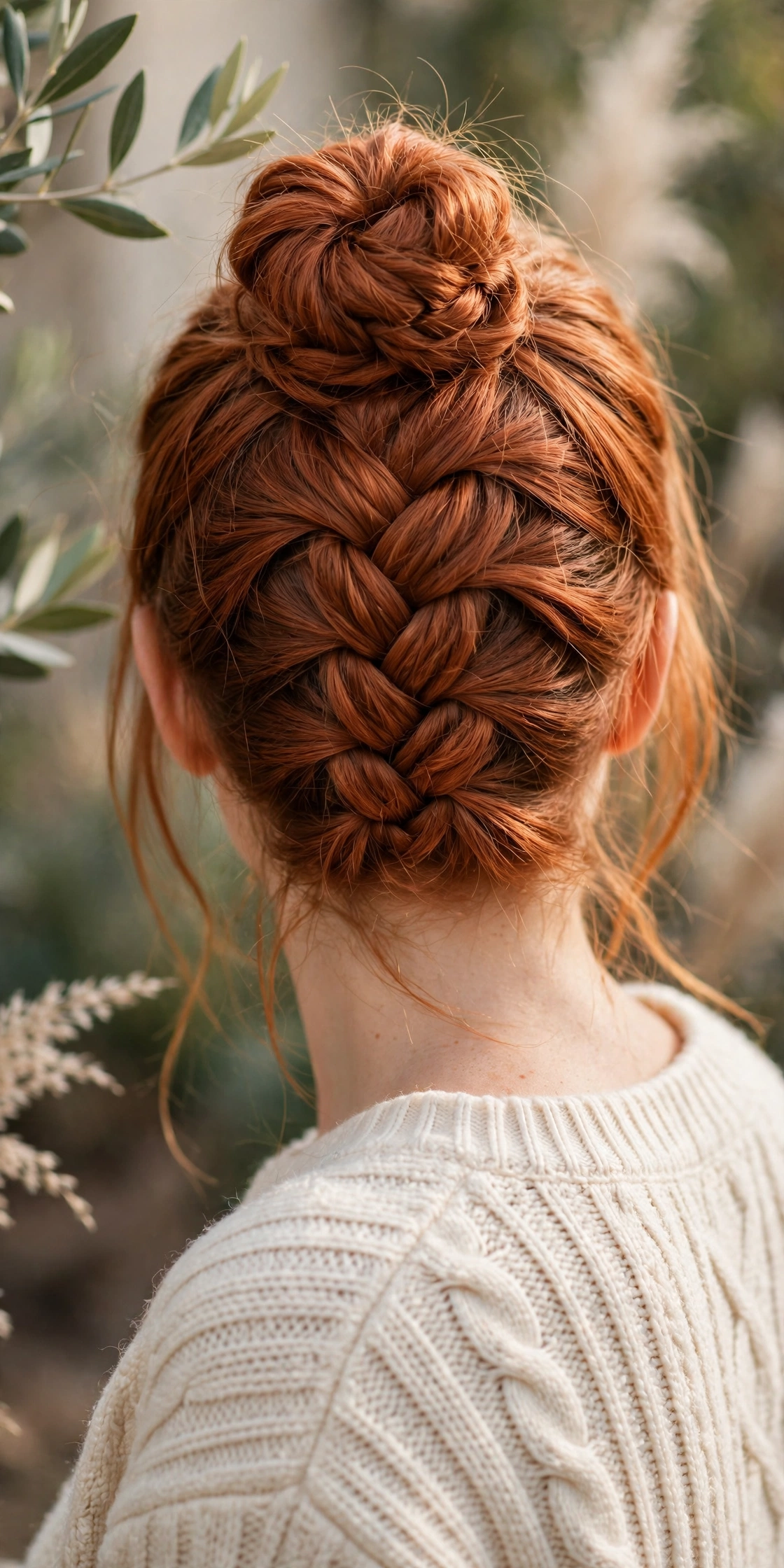
The reverse (upside-down) braid starts at the nape and climbs, usually ending in a top bun: the back view becomes the artwork. Reverse braids suit gym-to-evening reveals and thick hair.
Braid with your head flipped for learning. This is the classic, viewed from behind, winning.
29. French Braid Mohawk
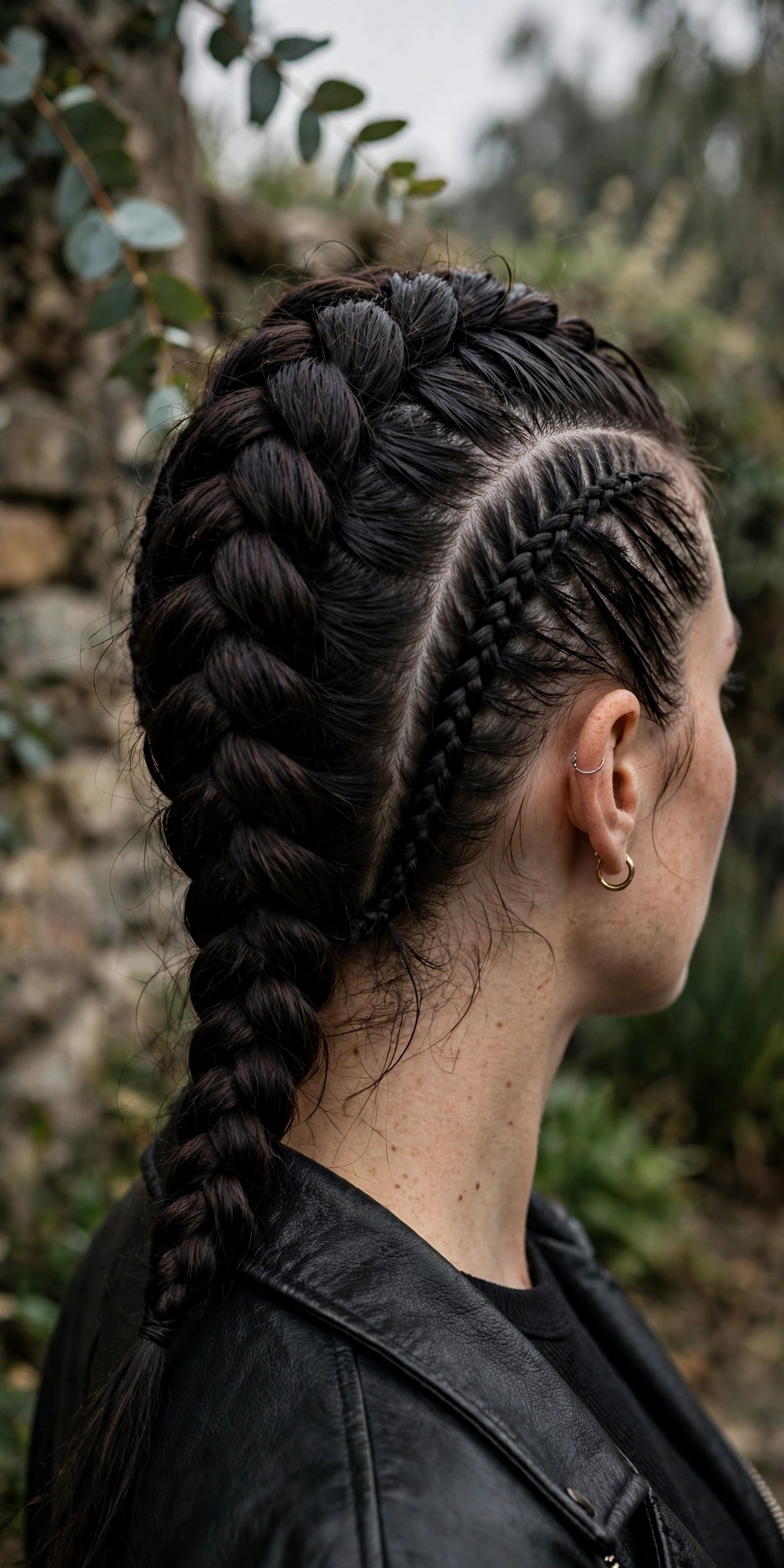
The mohawk braid plaits one bold Dutch-style ridge down the centre with sides sleek or braided tight: edge and height in one style. It suits festivals, shoots, and the brave.
Height comes from the Dutch crossing and pancaking. This braid is the family’s rebel.
30. French Braid Pigtails
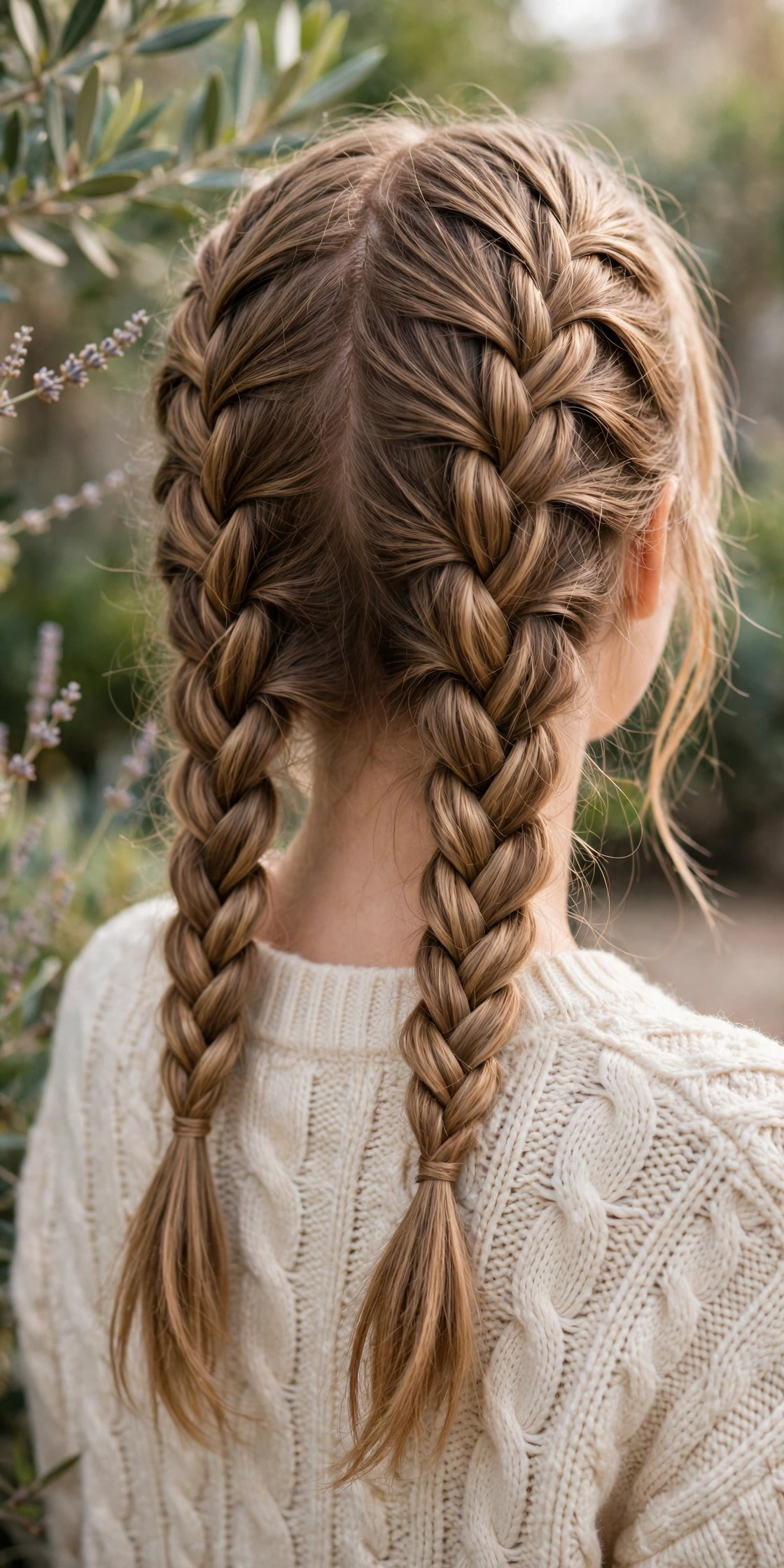
French braid pigtails plait two low braids at the sides: softer than doubles at the crown, playful, and perfect under hats. Pigtail braids suit long hair and country-summer styling.
Low pigtails read romantic, not childish, with loose tension. This is the doubles’ softer sister.
31. Four Strand French Braid
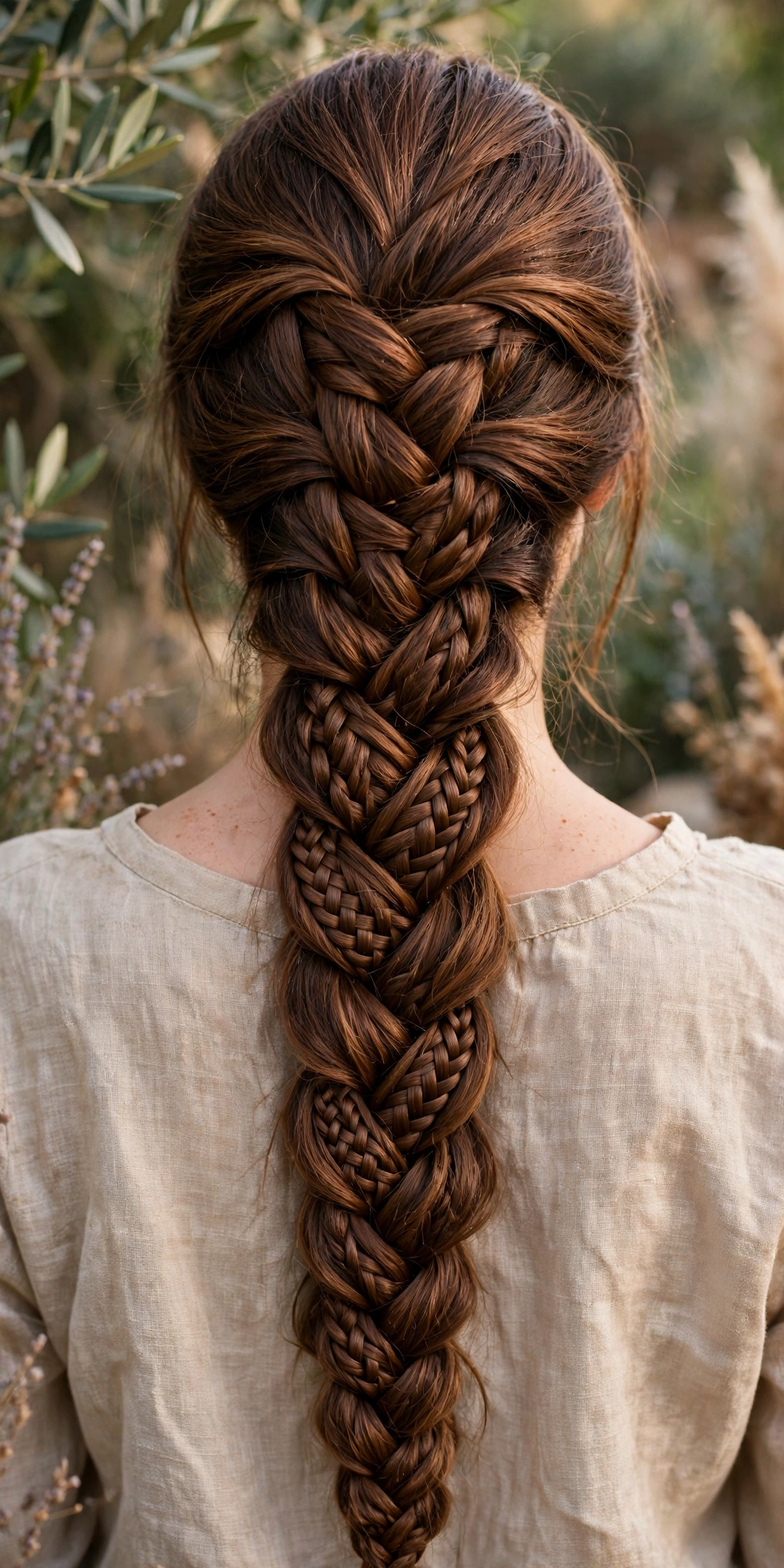
The four-strand braid adds a strand for a wider, flatter, more woven look — the plait as textile. Four-strand French braids reward practice with the most intricate pattern here after the fishtail.
A ribbon as the fourth strand is the cheat code. This braid is weaving, literally.
32. French Rope Braid
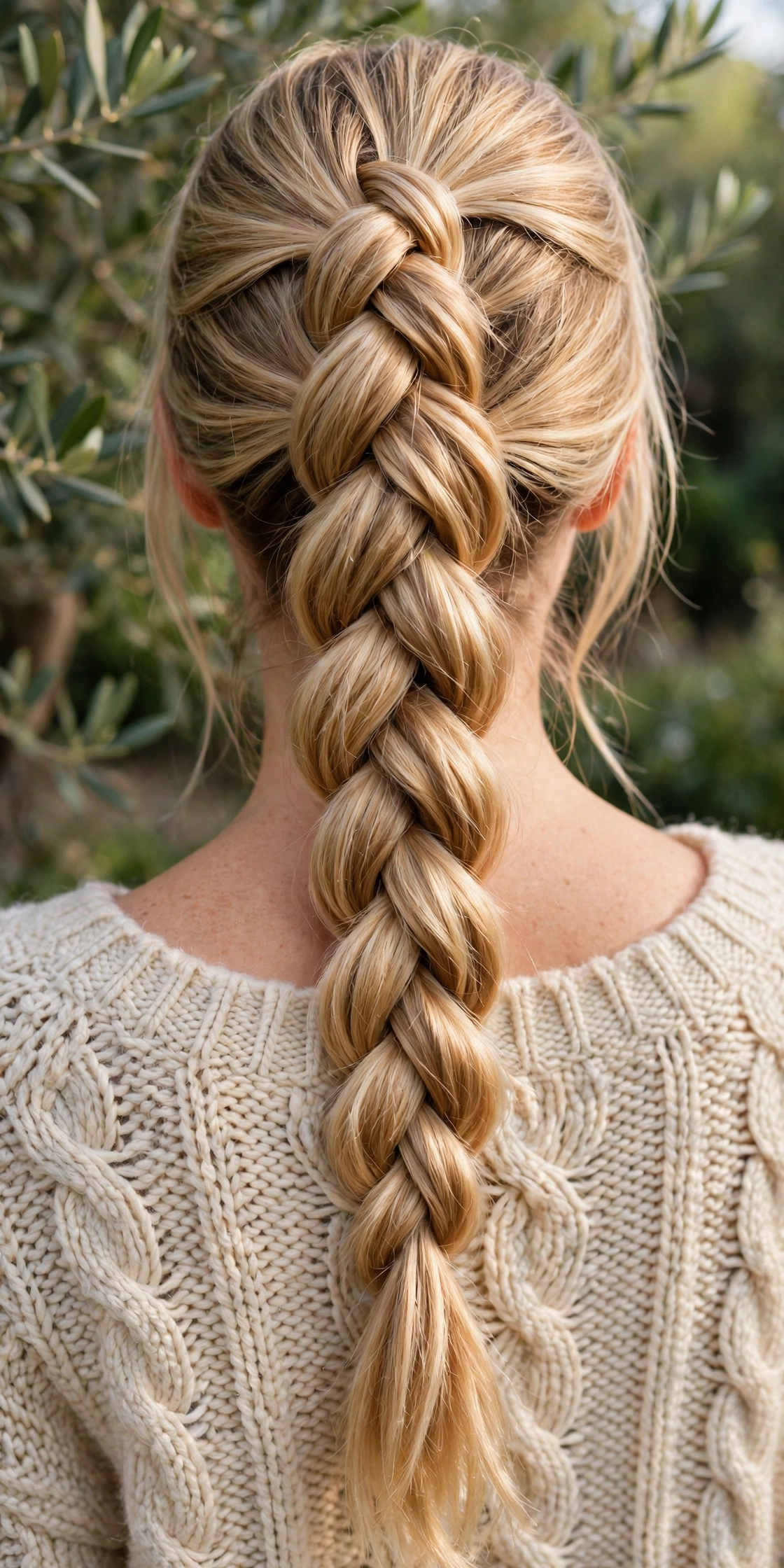
The rope braid twists two sections around each other while gathering French-style: a spiral plait, simpler than it looks and uniquely textured. Rope braids suit medium lengths and quick elegance.
Twist each section as you cross — the spiral’s secret. This is the braid family’s twist, pun included.
33. French Braid with Ribbon
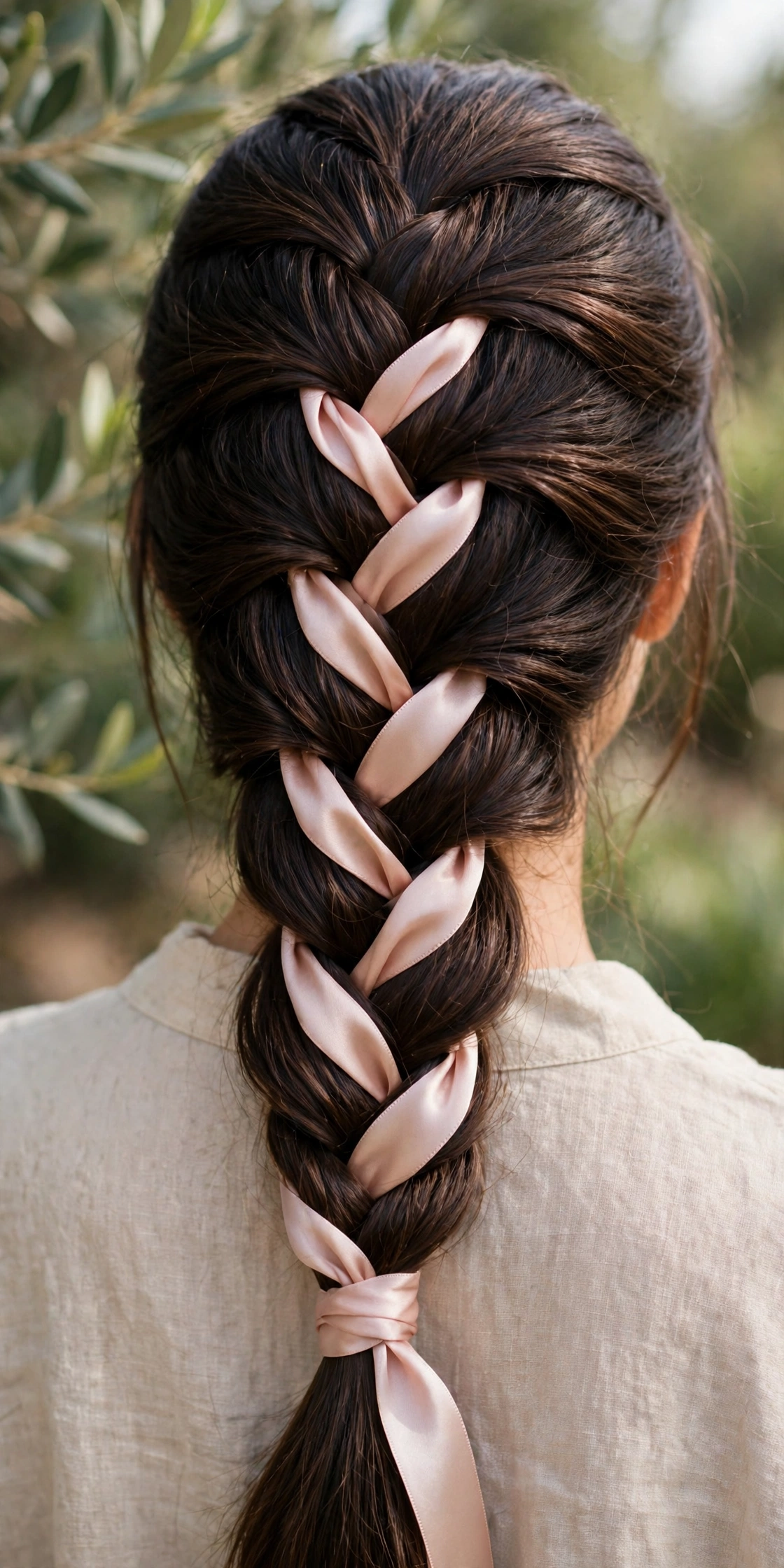
A ribbon woven through a French braid adds colour, pattern and occasion: school colours, wedding themes, festive reds. The ribbon acts as a fourth visual strand and hides in the weave.
Secure the ribbon at the start under the first sections. This braid is gift-wrapped hair.
34. French Braid with Flowers
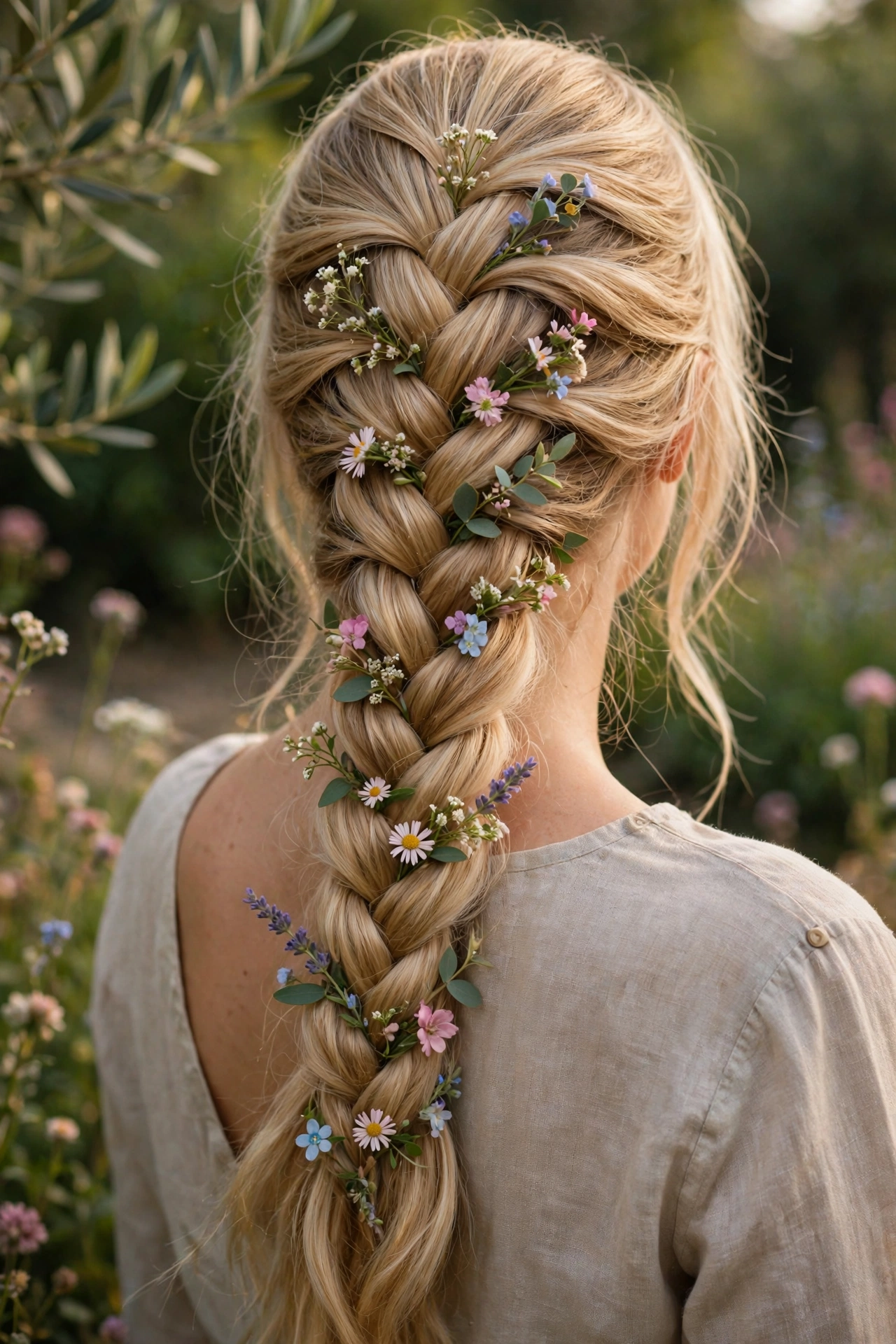
Flowers pinned along a French braid — fresh, dried, or silk — are the wedding-and-festival finish: the plait becomes a garden path. Small flowers (baby’s breath, tiny roses) weave best.
Pin flowers after braiding, into the plait’s ridges. This is the braid in bloom.
35. Wedding French Braid
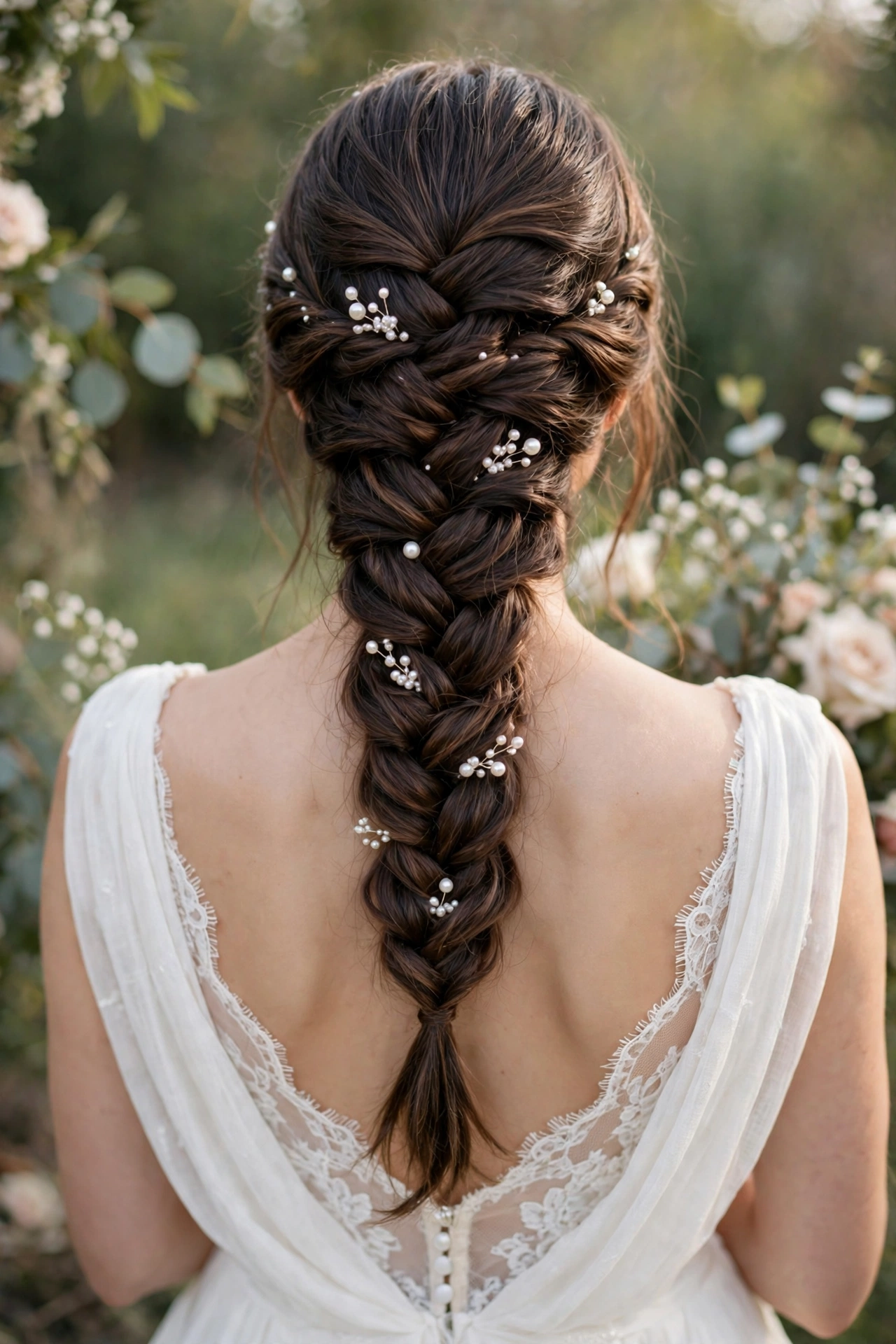
Wedding French braids combine the family’s romance with formal durability: loose, pancaked plaits with flowers, crowns, or woven updos that survive the day and photograph softly. Brides choose braids for hold that feels like hair, not helmet.
Trial the braid before the day — always. This is the classic, in white-adjacent glory.
36. Bridesmaid French Braid
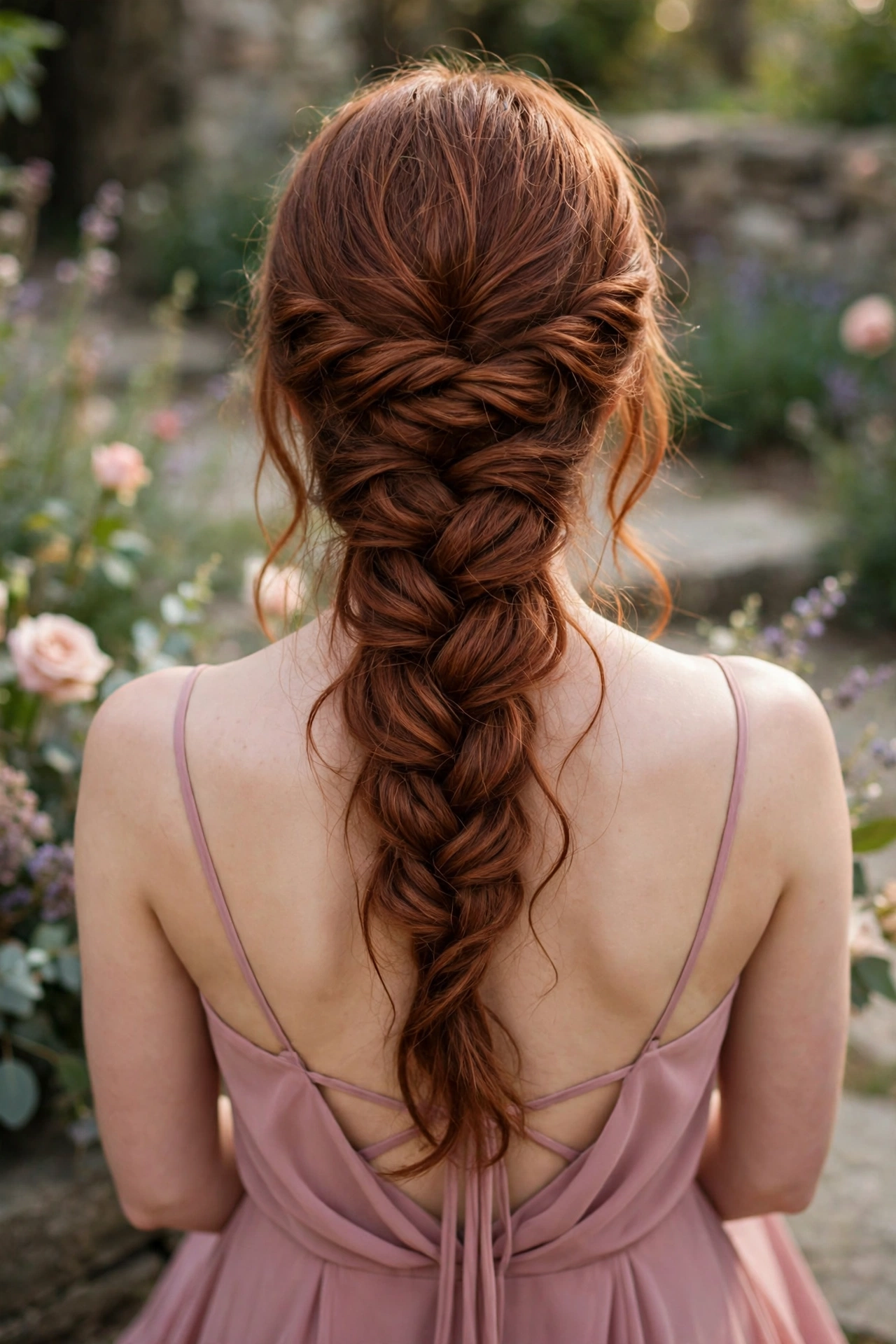
Bridesmaid braids coordinate without matching: each attendant’s variation (side, crown, half-up) in one family — the party photographs beautifully unified and individual. Braids suit bridesmaids’ varied hair types better than any single updo.
One braid family, personal variations: the bridesmaid formula. This is coordination with kindness.
37. French Braid for Everyday
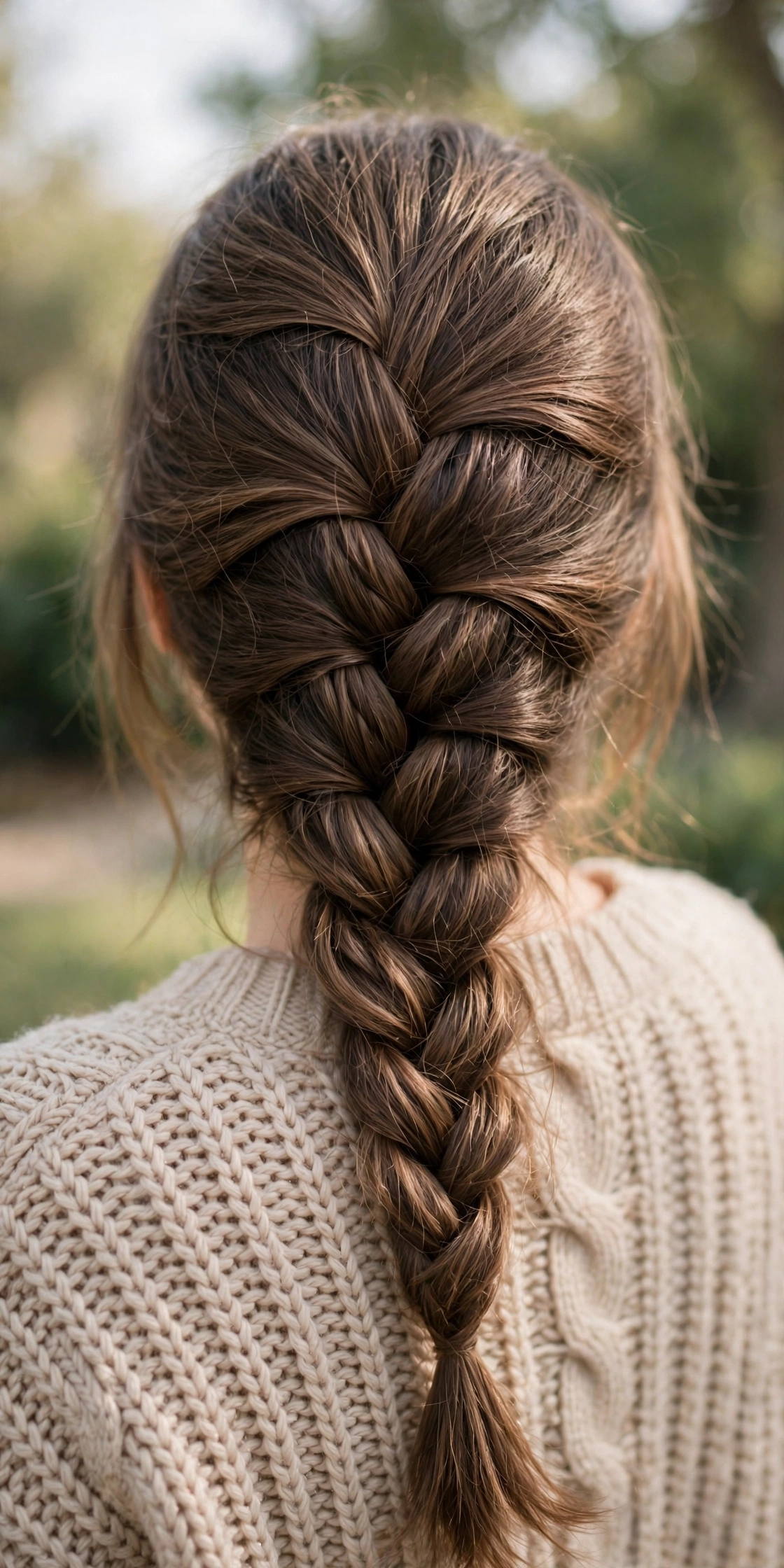
The everyday French braid is the five-minute classic: one plait, medium tension, done while the kettle boils — for school runs, desks, errands, and bad-hair-day rescues. It is the most-used braid in real life.
Everyday braiding is a habit, not an event. This plait is muscle memory’s gift.
38. Sporty French Braid

Sporty braids — tight singles, doubles, or braid-to-ponytail — are athletics’ hairstyle: secure, helmet-and-hat compatible, sweat-proof. French braids dominate gyms and finish lines for structural reasons.
Firm tension and a doubled elastic: the sport spec. This braid trains as hard as its wearer.
39. Boho French Braid
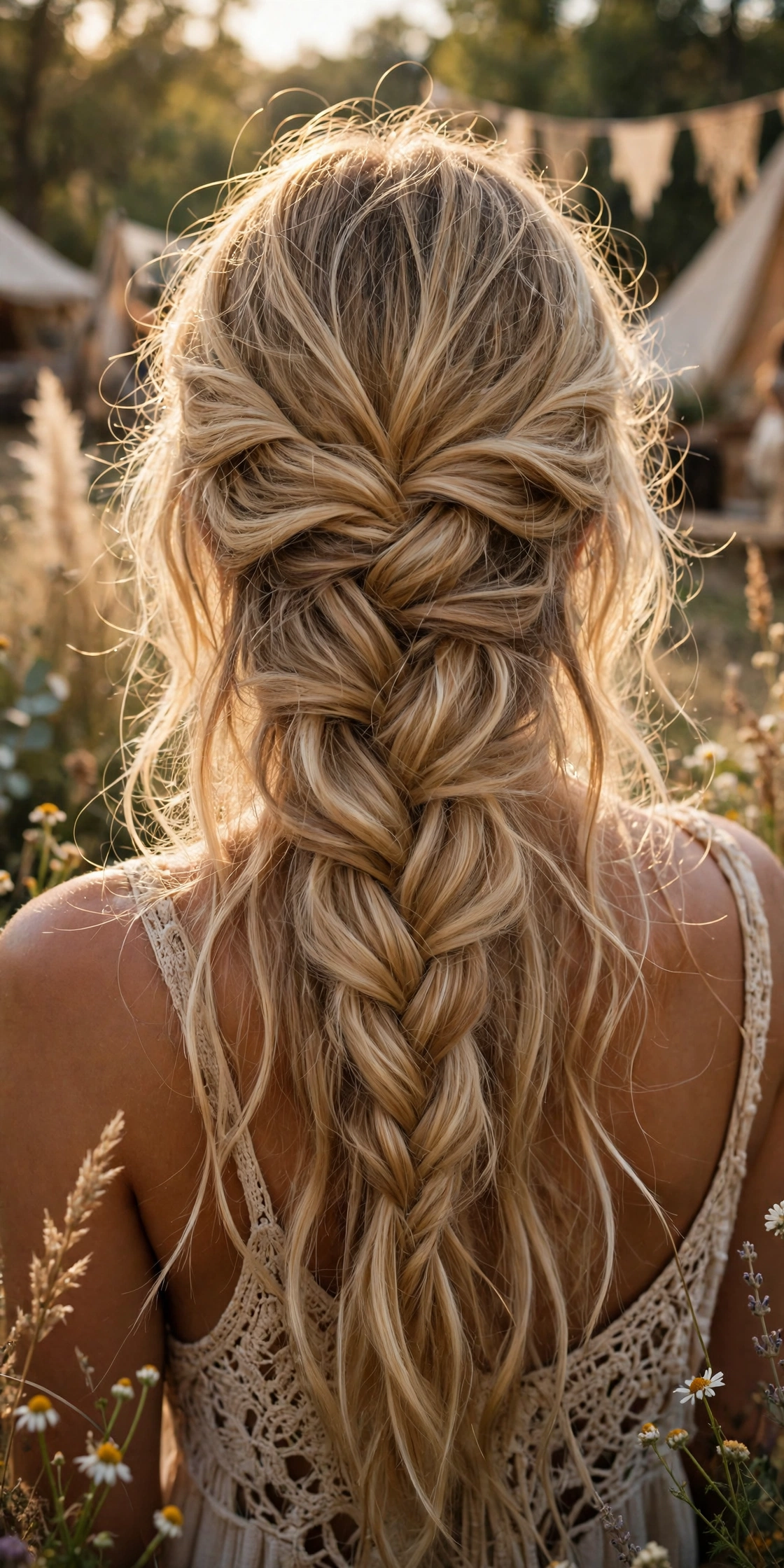
The boho braid is loose, pancaked, flower-or-ring-decorated, usually side-swept: festival hair’s founding style. Boho braids suit wavy hair and sundress weather supremely.
Pull it apart more than feels safe; boho rewards it. This is the classic at a music festival.
40. Elegant French Braid
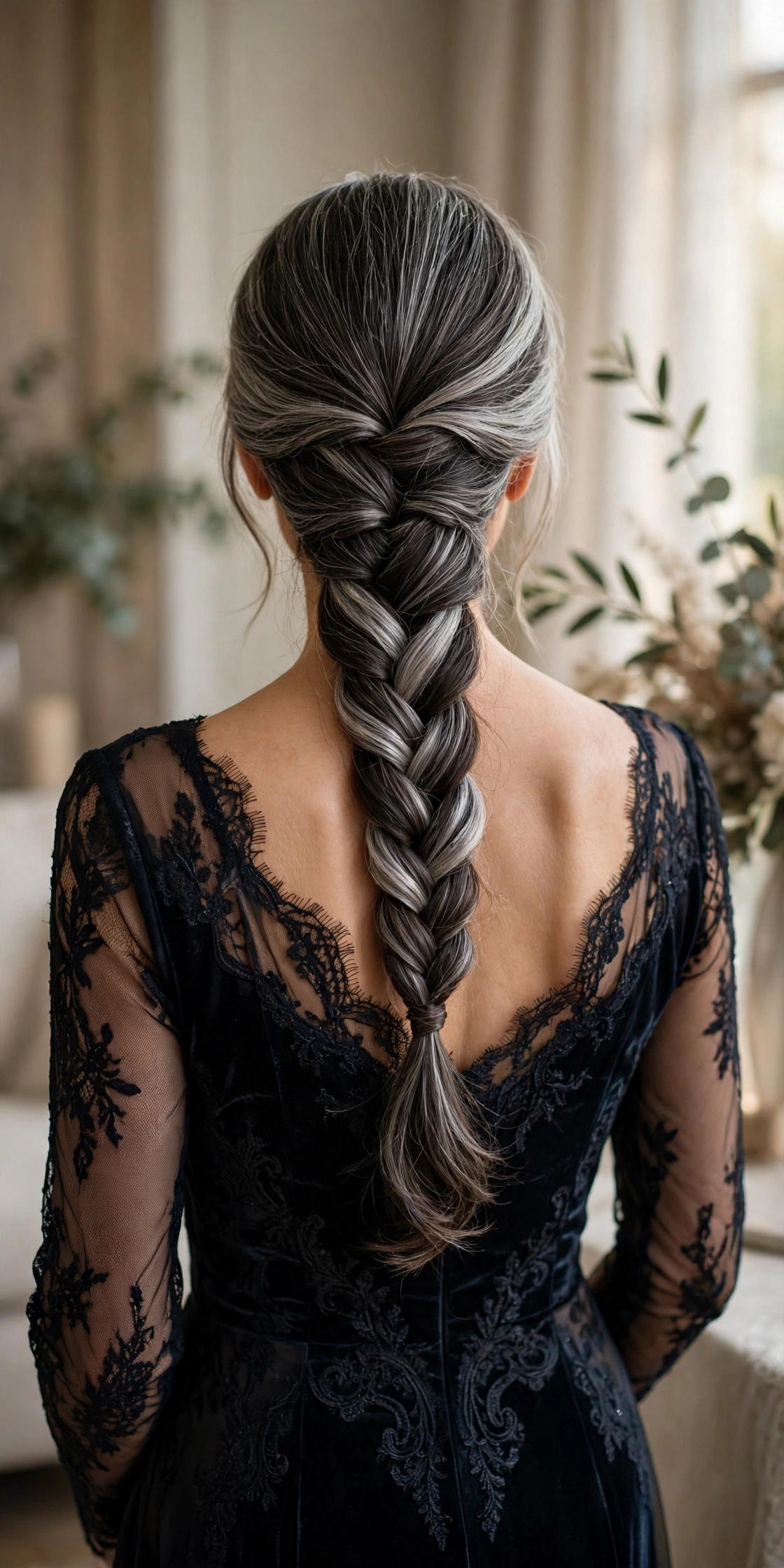
The elegant French braid is the family’s formal register perfected: smooth tension, tucked ends, perhaps woven into a low bun or chignon — the plait at galas and weddings’ top tables. Elegance here is neatness at length.
Elegant braids hide every pin and elastic. This is the classic in evening dress.
41. French Braid with Beads
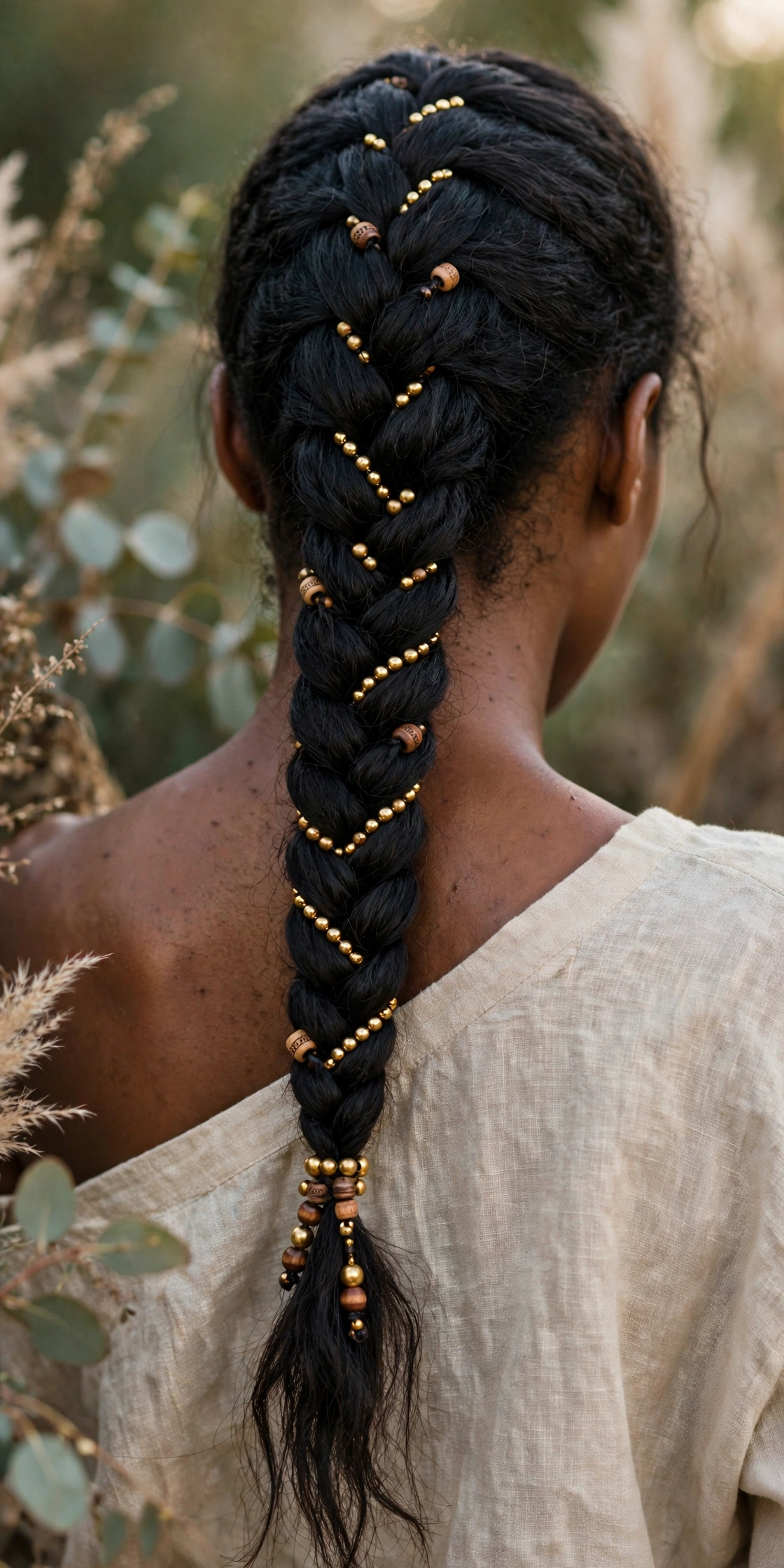
Beads threaded onto a French braid’s tail or sections add rhythm, culture and celebration — from festival styling to traditional braiding heritage where beads mark occasion and identity. Beads suit the braid’s end and accent sections.
Beads need a threader and patience. This braid keeps time as it moves.
42. Waterfall French Braid
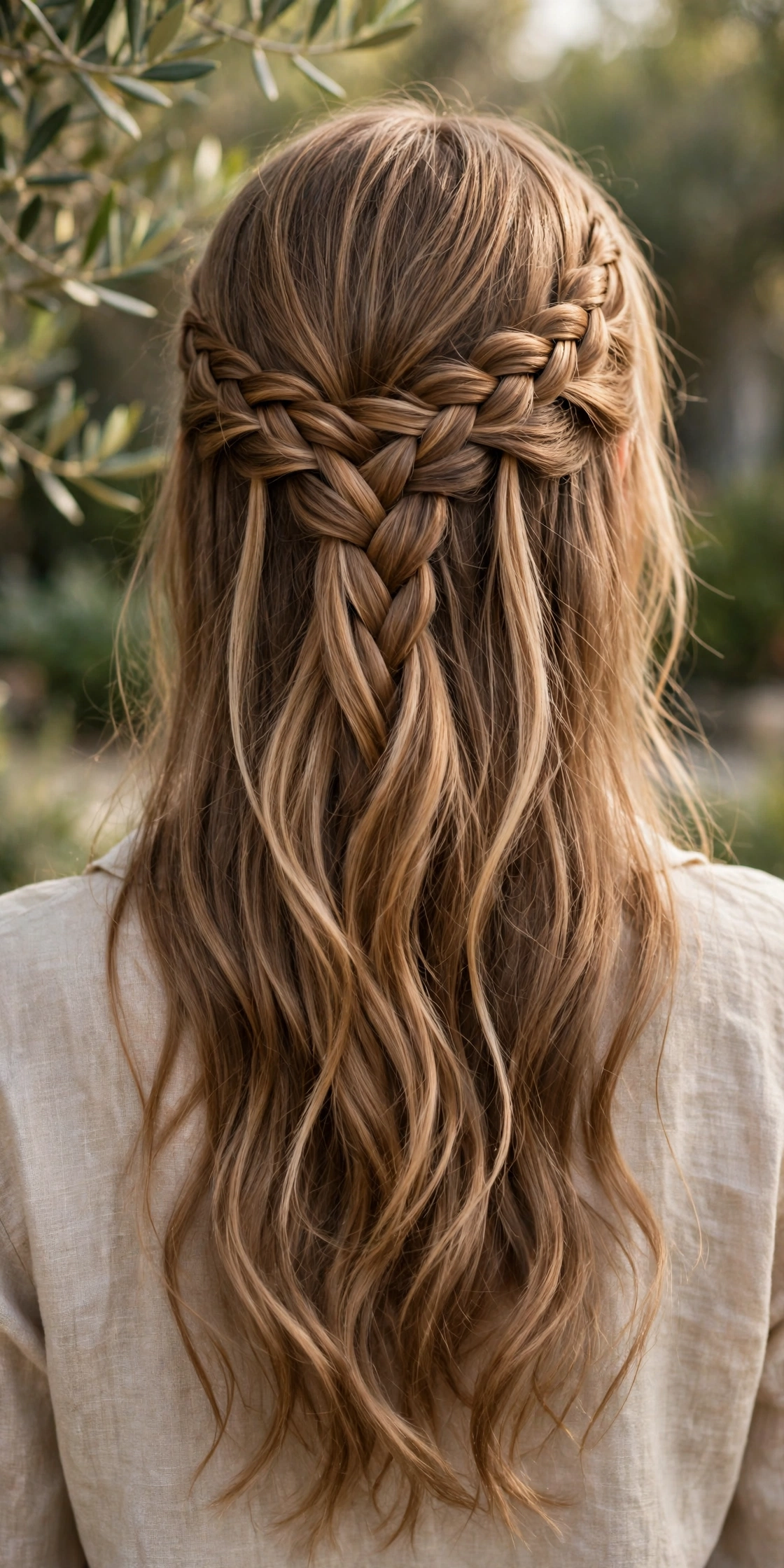
The waterfall braid travels horizontally, dropping each lower strand like falling water and gathering a new one — the most romantic braid variation, woven for weddings and photographs. It is French technique at its most poetic.
The dropped strands ARE the design; keep them even. This braid is a cascade, engineered.
How to French Braid Your Own Hair
Start with three small sections at the crown. Cross the right over the middle, then the left over the (new) middle — and before each next crossing, add a small slice of loose hair to the strand you are about to cross. That single habit — add, then cross — is the entire French braid. Keep tension even, hands close to the head, and practise on unwashed, textured hair (slippery clean hair is hard mode). Your arms will tire and your sections will wobble for the first five attempts; by the tenth, the braid is muscle memory and takes four minutes.
Braid in front of a mirror first, then learn by feel — the mirror eventually slows you down. Which of these 42 French braid hairstyles is going on your board first?